

Cart
0
Tariff Refund System Launch
A U.S. refund system will allow businesses to reclaim billions in tariffs after the U.S. Supreme Court ruled Donald Trump lacked authority to impose them.

Photo from Marek Studzinski
A new federal system allowing businesses to recover tariffs invalidated by the U.S. Supreme Court is scheduled to begin operations Monday, enabling importers to seek reimbursement for billions of dollars in duties.
The U.S. Customs and Border Protection (CBP) said companies and their customs brokers can start filing claims through an online portal from 8 a.m. The rollout represents the first stage of a broader process that could eventually lead to refunds reaching consumers who paid higher prices as a result of the tariffs.
Gear Spotlight- What Our Readers Are Picking Up

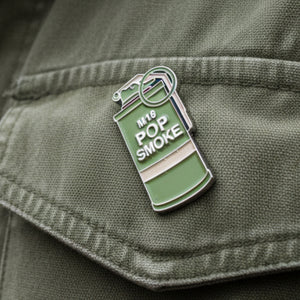
M18 Enamel Pin – For When It’s Time to Bounce
$9.99
$4.99

SICKNESS FOR THE THICCNESS TEE
$29.99
$14.99
To qualify, businesses must submit detailed claims identifying shipments on which they paid duties later struck down. CBP indicated that once claims are approved, refunds are expected within 60 to 90 days, though processing will occur in phases, beginning with more recent payments.
The refund initiative follows a 63 Supreme Court ruling on February 20 that found Donald Trump overstepped his authority by imposing widespread tariffs under a 1977 emergency law, citing the U.S. trade deficit. The court determined that such tax setting powers belong to Congress.
Although the ruling did not directly address reimbursements, a judge at the U.S. Court of International Trade later concluded that companies affected by tariffs under the International Emergency Economic Powers Act are entitled to refunds.
According to CBP filings, more than 330,000 importers paid roughly $166 billion in tariffs across more than 53 million shipments. However, the initial phase of refunds applies only to entries where duties were not finalized or fall within 80 days of final processing.
Importers must enroll in CBP’s electronic payment system to receive funds. As of April 14, 56,497 businesses had registered, making them eligible to claim about $127 billion, including interest.
Experts have advised companies to exercise precision when submitting claims. Meghann Supino of Ice Miller warned that incomplete or incorrect entries could lead to rejection of entire filings or specific line items.
She also noted that the system’s launch could face technical challenges due to high demand, urging applicants to remain patient during the initial rollout.
Nghi Huynh of Armanino said many companies will be filing for mixed shipments, some of which may not immediately qualify, making accurate tracking and documentation essential.
Small businesses are among those preparing to submit claims. Brad Jackson, cofounder of After-Action Cigars in Minnesota, said his company paid $34,000 in tariffs last year on imports from Nicaragua and the Dominican Republic, absorbing much of the cost instead of increasing prices.
He said he has been organizing records ahead of the launch but expressed concern that long processing times could limit the financial relief the refunds are intended to provide.
While tariffs are paid by importers, some costs were passed on to consumers. The refund system will return money directly to businesses, which are not obligated to compensate customers.
However, several class action lawsuits are ongoing, seeking to require companies including Costco and EssilorLuxottica to repay consumers.
Shipping companies such as FedEx and UPS, which in some cases collected tariffs directly from customers, may be more likely to pass refunds along. FedEx said it plans to return any recovered tariffs to customers once payments are received from CBP and will begin submitting claims starting April 20.
Editor’s Note:
The launch of the refund system by U.S. Customs and Border Protection follows a landmark ruling by the U.S. Supreme Court, highlighting the legal limits of executive authority on taxation and the complexities businesses face in reclaiming largescale tariff payments.


