
Cart
0
DoD: Stability in the middle east remains a priority
Although the United States no longer holds ground in Iraq or Syria, the Defense Department is keeping its collective finger on the proverbial pulse of the middle east.
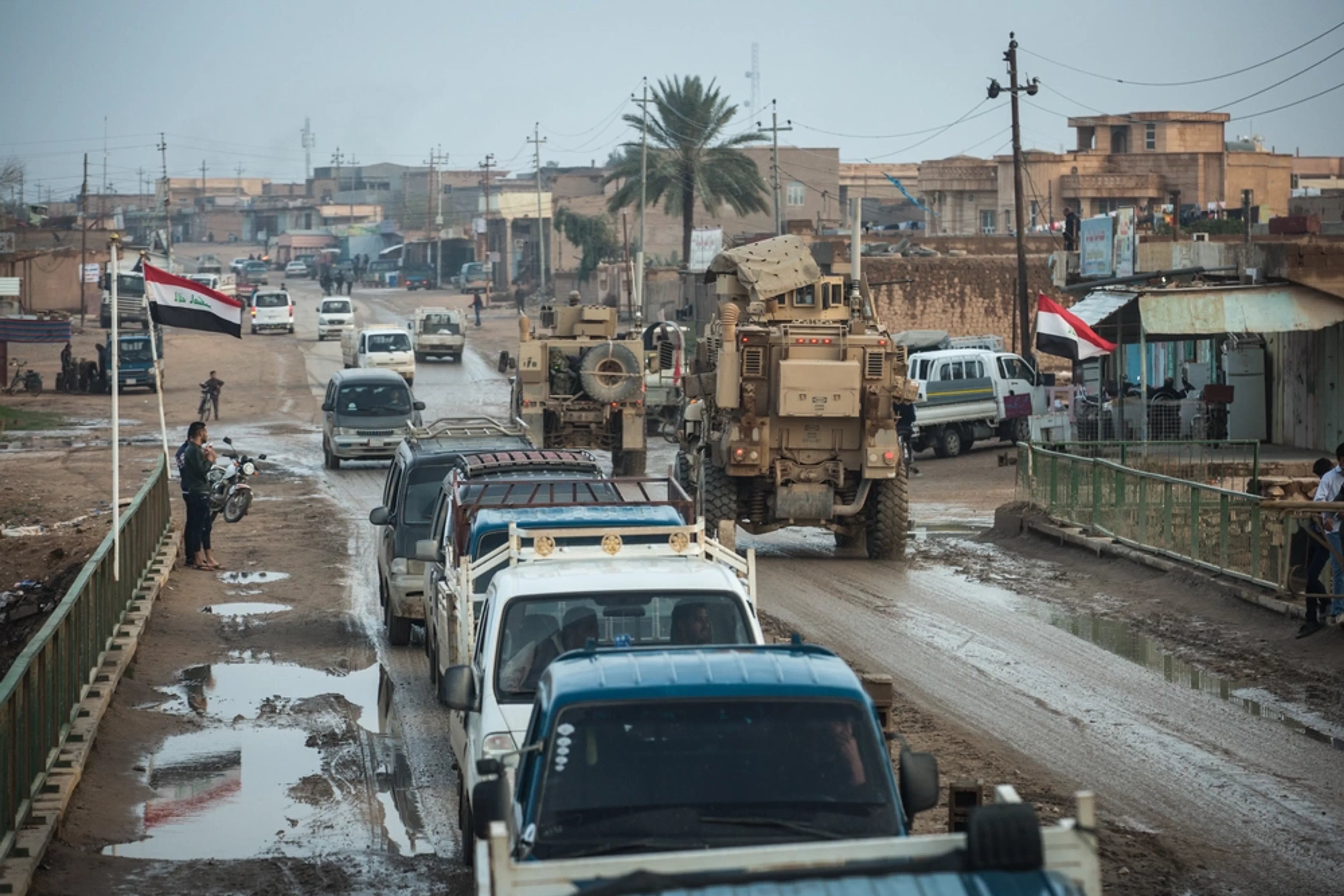
According to the Deputy Assistant Secretary for Defense for the Middle East, Dana Stroul, ISIS still remains a threat, but Iran continues to be the biggest source of instability in the region.
<blockquote class="twitter-tweet"><p lang="en" dir="ltr">NEWS: DoD Continues Mission to Stabilize the Middle East <a href="https://t.co/Qiusu1n5Cs">https://t.co/Qiusu1n5Cs</a></p>— Department of Defense 🇺🇸 (@DeptofDefense) <a href="https://twitter.com/DeptofDefense/status/1511475380019945480?ref_src=twsrc%5Etfw">April 5, 2022</a></blockquote> <script async src="https://platform.twitter.com/widgets.js" charset="utf-8"></script>
Gear Spotlight- What Our Readers Are Picking Up




Earlier this week, Stroul said that Iran’s continued status as a viable threat boil down to their continued “sponsorship and cultivation of violent proxies and terrorists, its proliferation of increasingly advanced and lethal unmanned aerial vehicles, or drones, its ballistic missile program, maritime aggression and smuggling activities at sea, according to the Pentagon.
Stroul said, “U.S. forces specifically, who remain present in northeast Syria to assist in the fight against ISIS through local partners, experience on a very regular basis threats from Iran and Iran-backed proxies.”
“We as a department are leaning into multilateral security cooperation to effectively deter against Iran and Iran-backed threats, violent extremist organizations like ISIS and al-Qaeda, and other transboundary threats,” she continued. “We support the State Department in implementing proactive diplomacy to reduce tensions and de-escalate ongoing conflicts.”
Syrian President Bashar al-Assad has historically utilized military force to respond to conflict. Stroul said that this ongoing approach to potentially diplomatic issues has left Syrians “more vulnerable… more hungry, more impoverished and further away from achieving any measure of political reform than they have been at any point.”
Stroul also stated that sanctions put in place against Syria by the US will remain un-waivered. She said, “We do not support the reconstruction of Syria until there is irreversible progress toward a political solution.”
The Depertment of Defense continues its operations along with 78 other nations, as well as private international support, to provide “military capabilities, funding and political support to the campaign against ISIS, according to the Department.


