
Cart
0
NATO Secretary General places blame on Afghan leaders for nation’s fall
At a press briefing today, NATO Secretary General Jens Stoltenberg pointed fingers at Afghanistan’s military and political leadership as the primary reason for why the country collapsed so quickly.
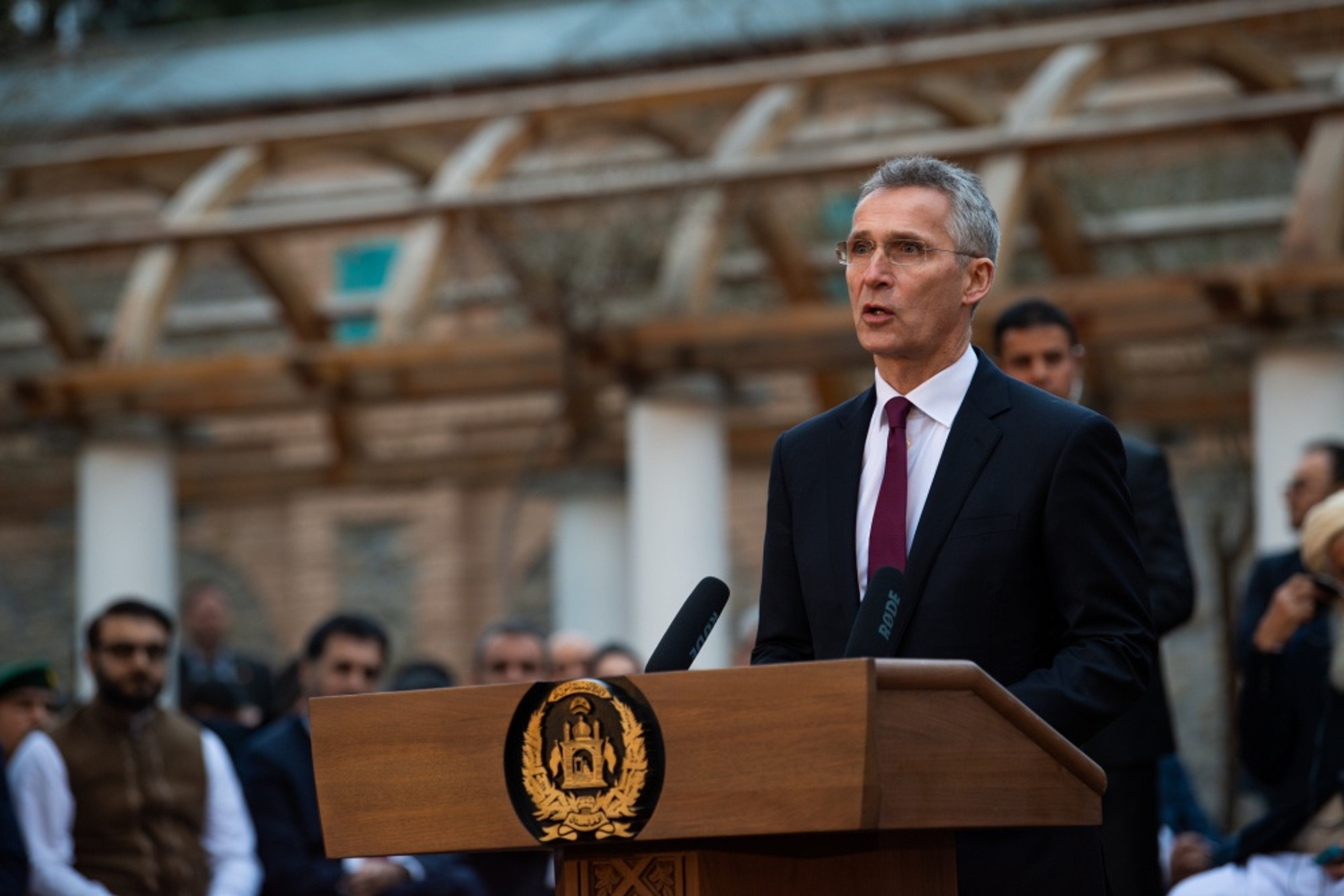
Aligning with the current U.S. mission in Afghanistan at the beginning of his speech, Secretary General Stoltenberg asserted, “NATO’s focus right now is to ensure the safe departure of personnel from Allied and partner countries, and of the Afghans who have helped us.”
After some remarks pertaining to the current operations in Kabul, the airport fiasco and what not, Secretary General Stoltenberg shifted gears in order to lay blame.
Gear Spotlight- What Our Readers Are Picking Up



Who’s to blame?
Stoltenberg prefaced his remarks on Afghani leadership by saying, “We never intended to stay in Afghanistan forever. Over the past few years, from over 100,000 troops we went down to less than 10,000 – and now to zero.”
Following this reflection, Stoltenberg said, “Parts of the Afghan security forces fought bravely. But they were unable to secure the country. Because ultimately, the Afghan political leadership failed to stand up to the Taliban and to achieve the peaceful solution that Afghans desperately wanted.”
Stoltenberg hammered the final nail in the scapegoat-coffin with, “This failure of Afghan leadership led to the tragedy we are witnessing today.”
After placing blame, the Secretary General affirmed the hoped-for future of Afghanistan, along with NATO’s role in that future. Stoltenberg said, “In the last two decades, there have been no terrorist attacks on Allied soil organized from Afghanistan.”
Continuing on his hopeful spiel, Stoltenberg asserted that, “Those now taking power have the responsibility to ensure that international terrorists do not regain a foothold. Allies have the capabilities and the vigilance to address future terrorist threats from Afghanistan.”


