Cart
0
Navy fires Reserve Center Commanding Officer
The Navy has announced that it has removed the leader of the Navy Reserve Center in Springfield, Oregon for failure to meet the standards expected of Naval command. Former Lieutenant Commander Ronald Kolpak was fired on the 26th of last month.
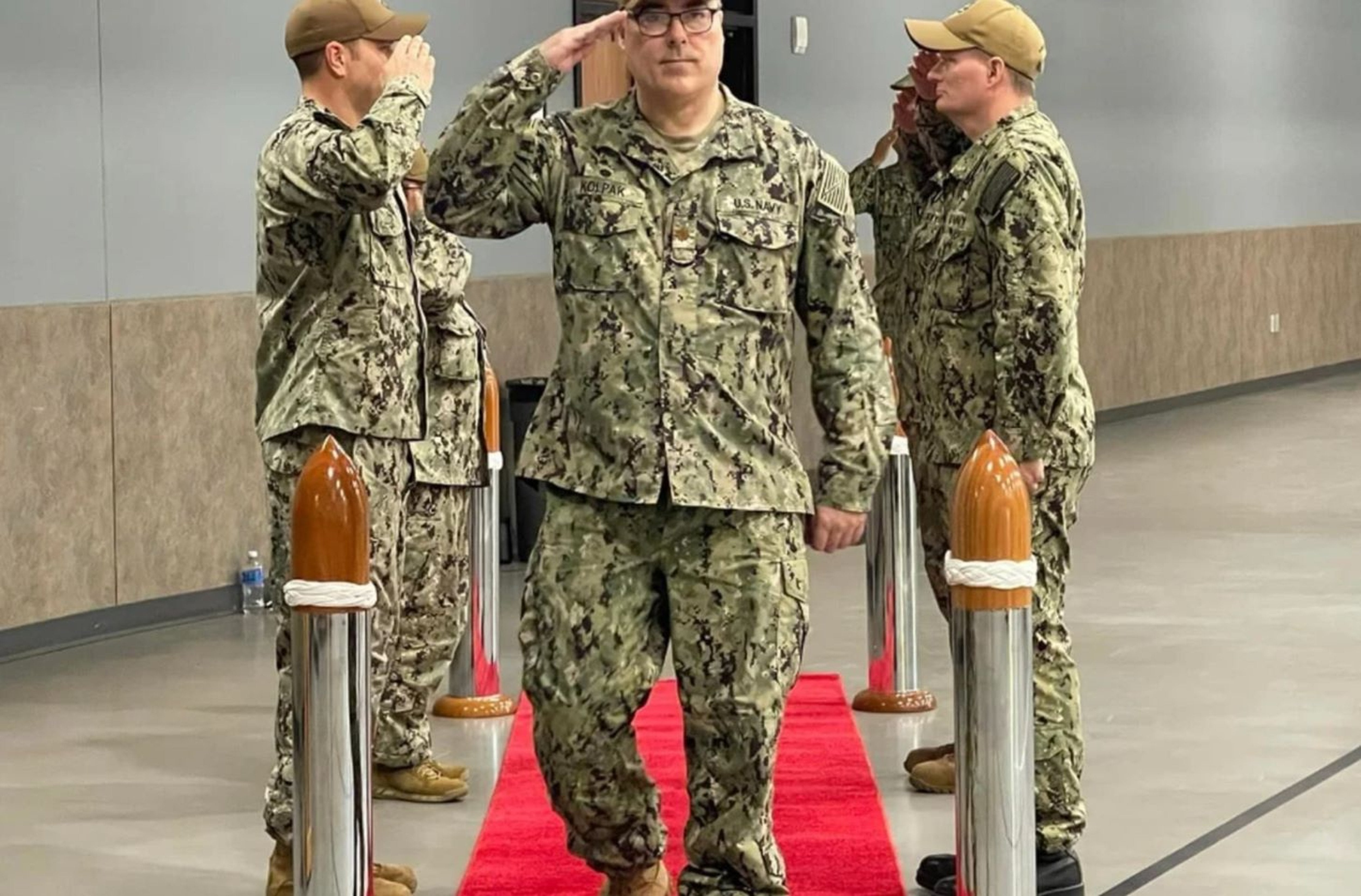
The Navy’s decision to remove LT CMDR Kolpak came after a thorough review by higher command leadership. However, the specific reasons for his firing have not been disclosed to the public, leaving the community and military members with unanswered questions. The decision to relieve a commanding officer is never taken lightly and requires a thorough review by higher command leadership. Navy Reserve Forces spokesman CMDR Robert Myers emphasized that command leaders are held to a high standard, and their positions demand responsibility, reliability, and exemplary leadership. “Command leaders are held to a high standard, and their positions require responsibility, reliability, and leadership,” said Myers in a statement. Kolpak enlisted in 2002 and was commissioned as an officer in 2008, serving in various roles before becoming a reserve human resources officer. His appointment as the commanding officer of the Navy Reserve Centre Springfield in July 2021 marked a significant milestone in his career, but the recent firing has raised doubts about his leadership. He graduated from the U.S. Naval Academy in 2003 and was promoted to Lieutenant Commander in September 2018. He received two Navy/Marine Corps Commendation Medals, two Navy/Marine Corps Achievement Medals, and the National Defense Service Medal for his service. The Navy Reserve Center Springfield, formerly known as Navy Operational Support Center, plays a crucial role in attending to the administrative and medical needs of reservist sailors. As the commanding officer, Kolpak held a vital responsibility in ensuring the readiness and operational capabilities of the Navy’s reserve forces. In response to inquiries about Kolpak’s dismissal, Navy officials have declined to provide further information, citing the confidentiality of ongoing investigations. It is customary for the military to handle internal inquiries with discretion to protect the privacy and reputations of those involved. Kolpak, in the aftermath of his firing, has chosen to remain out of the public eye and has not issued any comments or statements about the situation.