
Cart
0
Alaska Air National Guard rescues bear-mauling victim
By Capt. David Bedard / Alaska National Guard Public Affairs / September 10, 2021
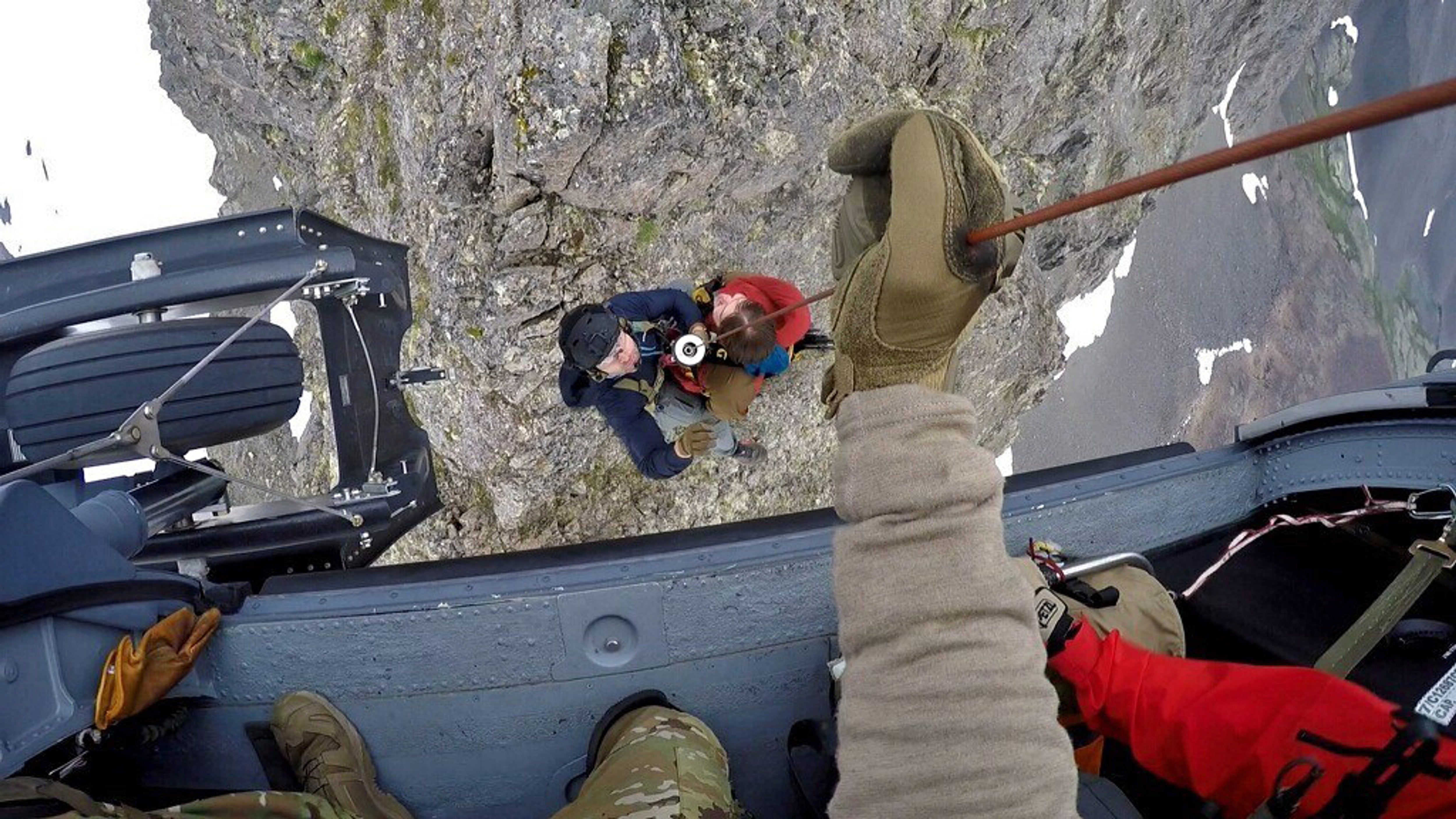
JOINT BASE ELMENDORF-RICHARDSON, Alaska – Alaska Air National Guard members of the 176th Wing saved a hunter mauled by a bear Sept. 8 in the Wrangell-St. Elias National Park and Preserve.
The hunter activated a two-way communication device SOS beacon, alerting the National Park Service, which contacted the Alaska Rescue Coordination Center.
Gear Spotlight- What Our Readers Are Picking Up


Alaska Air National Guard Capt. Brent Kramer, AKRCC senior controller, said the center asked for help from the 176th Wing. Airmen of 210th, 211th and 212th Rescue Squadrons responded from Eielson Air Force Base and Joint Base Elmendorf-Richardson on two 210th RQS HH-60G Pave Hawks.
The Eielson AFB rescue detachment HH-60 was training near Talkeetna when the 210th RQS crew and 212th RQS pararescuemen (PJs) were notified.
The Eielson AFB Pave Hawk reached the scene first, and a two-man PJ team hoisted in to treat the patient and prepare him to be lifted to the helicopter.
While the PJs were helping the hunter, the helicopter was refueled in the air by a 211th Rescue Squadron HC-130J Combat King II. The PJs, the hunter and an accompanying member of the hunting party were then hoisted to the helicopter.
The hunter was brought to Northway and transferred to the HC-130 for transport to JBER.
At JBER, the hunter was moved to the JBER-based 210th RQS HH-60 for transport to the Providence Alaska Medical Center and released to medical personnel.
Alaska Air National Guard Senior Master Sgt. Evan Budd, AKRCC superintendent, underlined the importance of safety during the hunting season.
“Having a two-way satellite communication device was critical to the best possible outcome in this unfortunate situation,” Budd said. “When you are outdoors, be ‘bear aware,’ and take measures to protect yourself.”


