
Cart
0
Australia abruptly cancels French submarine contract
France expressed a great deal of disappointment with Australia after the country backed out of a submarine contract they made with French shipbuilder Naval Group. The contract entailed building nearly 90 billion Australian dollars worth of submarines according to Reuters, which Australia ditched in favor of a U.S./U.K. deal.
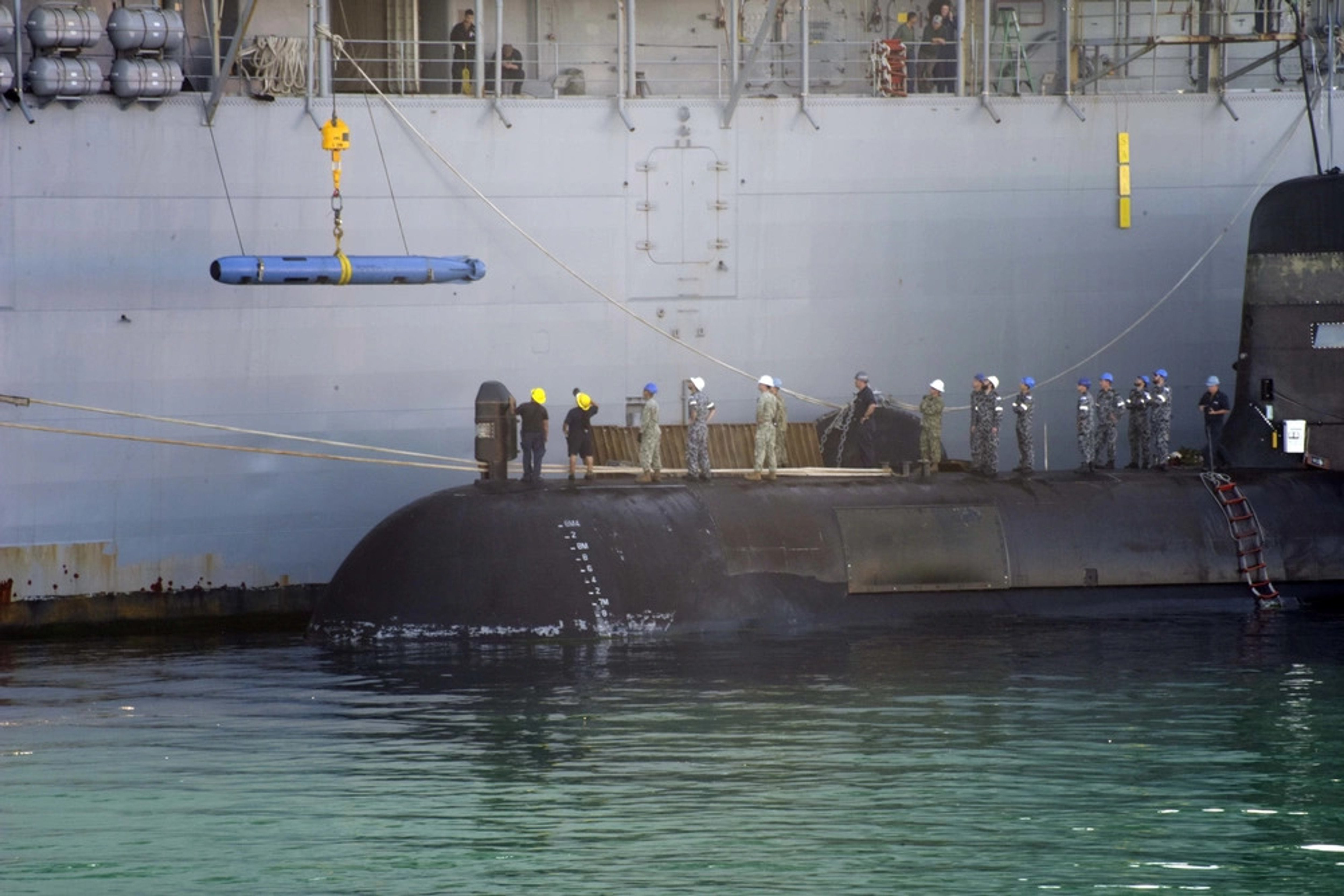
France expressed a great deal of disappointment with Australia after the country backed out of a submarine contract they made with French shipbuilder Naval Group.
“It was a stab in the back. We had established a relationship of trust with Australia. This trust has been betrayed,” France’s minister of foreign affairs, Jean-Yves Le Drian, told radio station Franceinfo on Thursday morning.
Gear Spotlight- What Our Readers Are Picking Up



Le Drian also compared this decision to something former U.S. President Donald Trump would do.
He stated that “This brutal, unilateral and unpredictable decision reminds me a lot of what Mr. Trump used to do. I am angry and bitter. This isn’t done between allies.”
Despite France’s dissatisfaction, the contract with the U.S. and Britain is heralded as a much better deal. In the original 2016 contract, Naval Group would build conventional submarines, while the new contract will yield a fleet that is entirely nuclear.
Besides that, according to the Australian outlet Financial Review, the original contract has, since its creation, “broken down over a series of disagreements over spiraling costs, design changes, schedule slippage and local industry involvement.“
There are also other notable reasons for why this deal is preferred over the previous one.
The first of these is that housing a fleet of nuclear-powered submarines in Australia will provide allied nations with a stolid foothold in the Indo-Pacific region. The second reason is that Australia is home to the world’s largest uranium reserve, making it the prime location for eventually maintaining such a fleet.
Countering China
The United States, Australia, and Britain each highlighted the importance of their ability to counter future threats from China, when the heads of all three countries held a virtual press conference to announce the plan on Wednesday.
The conference was to announce the countries’ tripartite security initiative called ‘AUKUS.’
President Biden commented on the deal, stating: “This initiative is about making sure that each of us has the most modern capabilities we need to maneuver and defend against rapidly evolving threats.”
Australian Prime Minister Scott Morrison clarified that this initiative does not mean Australia will seek to develop nuclear weapons.
<blockquote class="twitter-tweet"><p lang="en" dir="ltr">We intend to build these submarines in Adelaide in close cooperation with the UK and the US. But let me be clear, Australia is not seeking to acquire nuclear weapons. <br><br>It was great to join Australia's good friends <a href="https://twitter.com/POTUS?ref_src=twsrc%5Etfw">@POTUS</a> and <a href="https://twitter.com/BorisJohnson?ref_src=twsrc%5Etfw">@BorisJohnson</a> to announce this new partnership today. <a href="https://t.co/n9cqoIliM9">pic.twitter.com/n9cqoIliM9</a></p>— Scott Morrison (@ScottMorrisonMP) <a href="https://twitter.com/ScottMorrisonMP/status/1438270815166889984?ref_src=twsrc%5Etfw">September 15, 2021</a></blockquote> <script async src="https://platform.twitter.com/widgets.js" charset="utf-8"></script>


