
Cart
0
Israel Breaks The Fragile Ceasefire
Sudanese paramilitary forces allegedly executed fleeing men and civilians after capturing Al-Fashir. Deepening the humanitarian crisis in war-torn Darfur.
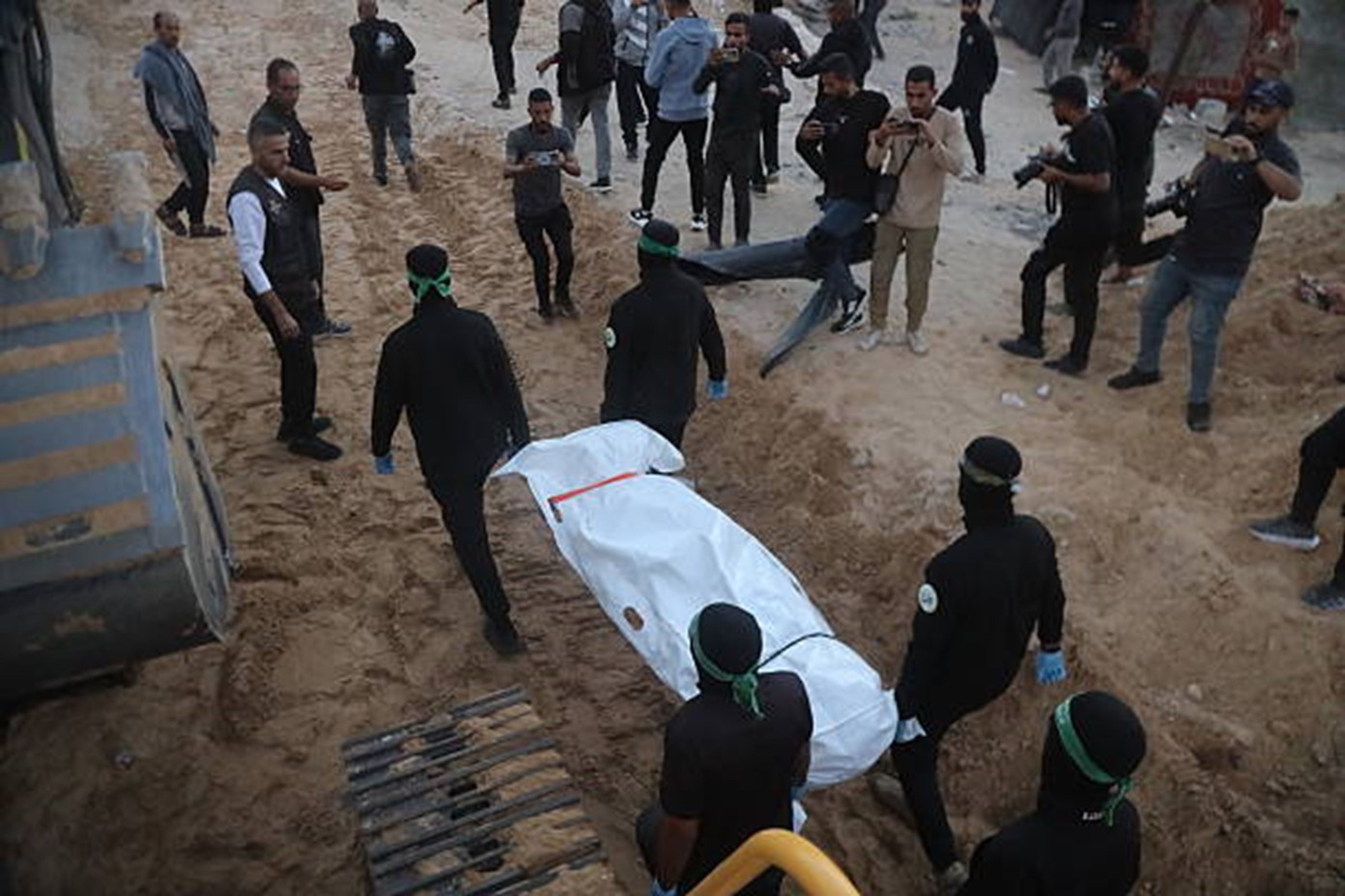
Body of Israeli hostage found at tunnel in Khan Yunis via Getty Images
The Israeli military began renewed strikes in the Gaza Strip on Tuesday. Less than three weeks after President Trump brokered a ceasefire between Israel and the Palestinian militant group Hamas.
Gaza’s civil defense agency said there were initial reports of at least nine people killed and injured in Gaza City and the southern city of Khan Younis. The strikes followed days of escalating tensions as Israel and Hamas traded accusations of violating the ceasefire agreement that began on Oct. 10.
Gear Spotlight- What Our Readers Are Picking Up




The office of Israeli Prime Minister Benjamin Netanyahu announced that he had ordered immediate “forceful strikes” in Gaza following a meeting with his senior security ministers. The officials discussed Israel’s response after accusing Hamas of attempting to stage the return of the partial remains of a hostage whose body the militant group was supposed to hand over under the terms of the ceasefire.
The Israeli military released drone footage that it said showed Hamas operatives burying a bag containing remains in the ground for the International Committee of the Red Cross to find. Netanyahu called the move a violation of the U.S.-negotiated ceasefire.
In response, Hamas issued a statement rejecting the allegations, calling them “baseless and aimed at misleading public opinion.” The group said, “The occupation is seeking to fabricate false pretexts in preparation for taking new aggressive steps against our people, in blatant violation of the ceasefire agreement.”
Israeli Defense Minister Israel Katz said in a statement that Hamas would “pay a heavy price for attacking” Israeli troops in Gaza and for failing to return deceased hostages.
On Oct. 19, the Israeli military carried out a series of airstrikes in Gaza after two of its soldiers were killed in Rafah. Following those strikes, President Trump maintained that the ceasefire was still in place.
Hamas said it had “no connection” to the shooting of Israeli soldiers in Rafah and reaffirmed its commitment to the ceasefire, urging international mediators to “take immediate action” to press Israel to halt its attacks in violation of the agreement.
U.S. Vice President Vance, who recently visited Israel, expressed confidence that the ceasefire would hold despite the renewed violence.
“That doesn’t mean that there aren’t going to be little skirmishes here and there,” Vance told reporters on Capitol Hill on Tuesday. “We know that Hamas or somebody else within Gaza attacked an Israeli soldier. We expect the Israelis are going to respond, but I think the president’s peace is going to hold despite that.”
Editor’s Note:
The latest escalation between Israel and Hamas highlights the fragile nature of the ceasefire brokered earlier this month. Both sides continue to accuse each other of violations, threatening to unravel weeks of diplomatic efforts. The situation remains fluid, and updates will follow as more information becomes available.


