
Cart
0
Monument Unveiled to Honor Japanese Americans Detained During WWII
120,000 people of Japanese ancestry were sent to U.S. internment camps during World War II

In a solemn ceremony at the Japanese American National Museum in Los Angeles, a unique monument named “Irei: National Monument for the WWII Japanese American Incarceration” was unveiled to honor the individuals who endured internment during World War II. The monument, led by Duncan Ryūken Williams and his team, aims to rectify the historical moment when people of Japanese ancestry, including American citizens, were forcibly detained following the attack on Pearl Harbor. The three-part monument includes the sacred book “Ireichō,” listing 125,284 verified names of detainees, symbolizing an effort to restore dignity and individuality to those who suffered. The monument also features a website, Ireizō, and light installations at incarceration sites. The project seeks to provide a comprehensive record of Japanese American detainees, recognizing their resilience and the injustices they faced.
Gear Spotlight- What Our Readers Are Picking Up



In 1942, following the attack on Pearl Harbor, President Franklin D. Roosevelt signed Executive Order 9066, leading to the forced incarceration of Japanese Americans deemed potentially dangerous. Approximately two-thirds of the detainees were American citizens. The holding facilities, which included hastily constructed barracks, barbed wire, and armed guards, closed in 1946, leaving a fragmented and incomplete record of the detainees.
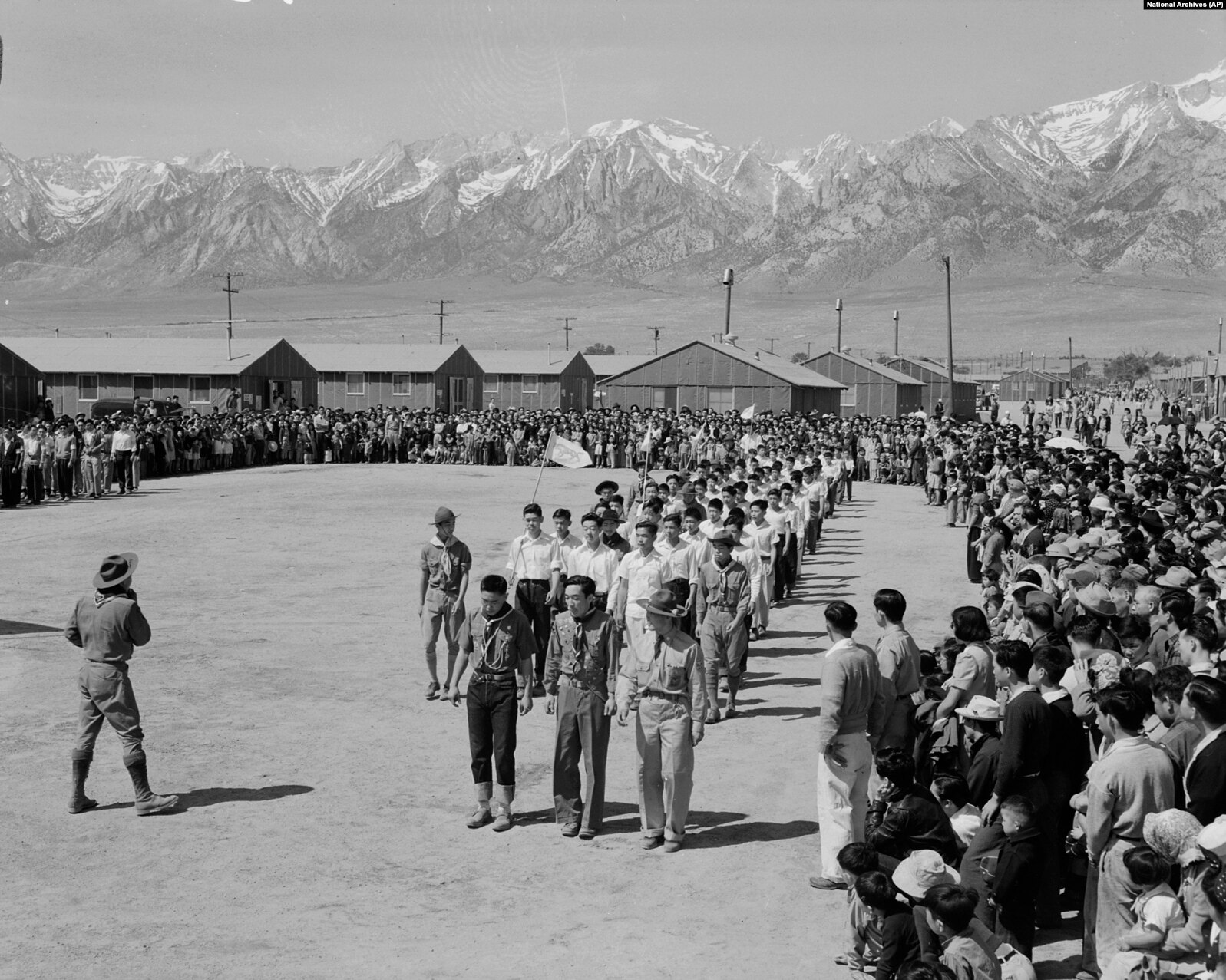
American Legion members and Boy Scouts, participate in Memorial Day services at the Manzanar Relocation Center, an internment camp in Manzanar, Calif., May 31, 1942. (National Archives)
Duncan Ryūken Williams, inspired by stone Buddhist monuments created by detainees at camps in Manzanar and Amache, initiated the Irei project to create a comprehensive record of those detained during WWII. The first part, Ireichō, is a sacred book listing the verified names of 125,284 detainees, aiming to restore individuality and dignity to those affected. The second part, Ireizō, is a website providing additional information about detainees, set to launch on the Day of Remembrance. The final element, Ireihi, includes light installations at incarceration sites and the Japanese American National Museum.
Williams and his team spent over three years meticulously correcting errors and filling in gaps in the historical record, ensuring accuracy in the list of names. The Ireichō was introduced in a ceremony attended by camp survivors, their descendants, and various community leaders. Wooden pillars, called sobata, bearing the names of each camp, were carried into the museum by participants. The monument encourages visitors to interact by searching for loved ones’ names, leaving marks using a Japanese stamp called a hanko, and recognizing the impact of this dark chapter in American history.
The Irei monument, with its emphasis on remembering and acknowledging the resilience of those who endured internment, stands as a poignant reminder of the injustices faced by Japanese Americans during WWII. As visitors engage with the monument, it continues to evolve, ensuring a dynamic connection to the past.
The Irei monument will remain on display until December 1, providing an opportunity for individuals to reflect on this historical chapter and honor the detainees’ enduring spirit.


