Cart
0
Army’s new rehab plan for Arlington military horses
The United States Army has announced a new rehabilitation plan for its working military horses stationed at Arlington National Cemetery. The plan comes after a long-standing concern for the well-being of the animals that have served the country with distinction for years.
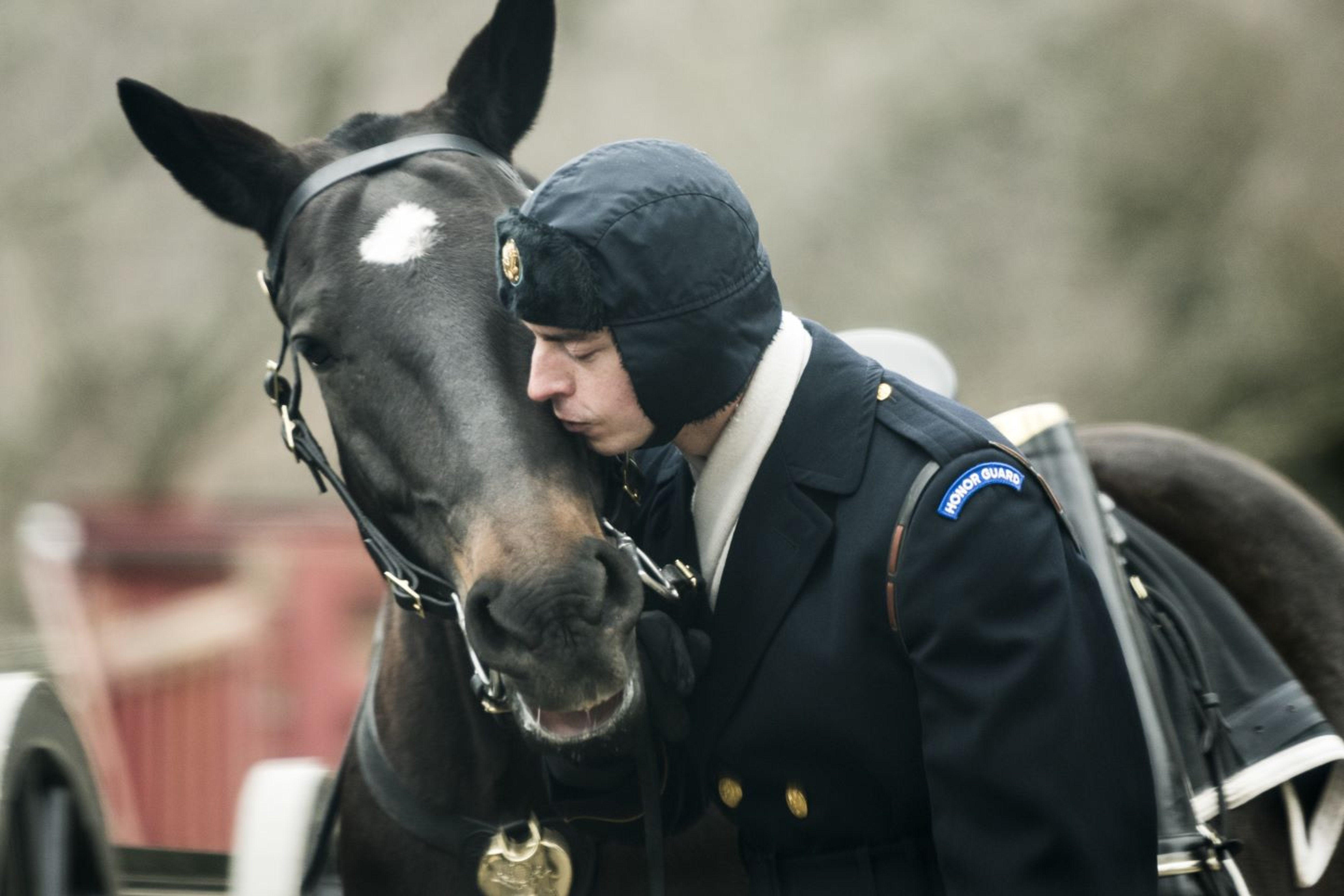
The plan aims to provide top-notch veterinary care, nutrition, and physical therapy to the horses, ensuring that they remain in good health and are able to continue their duties. It also includes a retirement plan that will ensure the horses are properly cared for when they are no longer able to serve.
<blockquote class="twitter-tweet"><p lang="en" dir="ltr">To improve the long-term health of military horses at Arlington National Cemetery, the Army is rolling out a rehab plan built on lessons learned about the horses' care over the past year. <a href="https://t.co/9wYaChBtgo">https://t.co/9wYaChBtgo</a></p>— CBS News (@CBSNews) <a href="https://twitter.com/CBSNews/status/1656562285807009792?ref_src=twsrc%5Etfw">May 11, 2023</a></blockquote> <script async src="https://platform.twitter.com/widgets.js" charset="utf-8"></script>
Gear Spotlight- What Our Readers Are Picking Up



The plan was launched in response to growing concerns about the health and well-being of the military horses, which have been used for military funerals, parades, and other events. Many of these horses have suffered from injuries, illnesses, and other health problems as a result of their service.
Maj. Gen. Allan Pepin, commander of the Army Military District of Washington, said the horses had been mismanaged — not mistreated — because of a lack of knowledge about horse care. “The challenges we’re facing in our caisson program stem from a number of cumulative issues resulting from a lack of adequate facilities, pasture space, diet, nutrition, and poor herd management that date back many years since at least 2010,” Pepin told reporters Wednesday.
The rehabilitation plan will provide the horses with comprehensive medical care, including regular check-ups, vaccinations, and dental care. It will also provide them with nutritious diets that are tailored to their individual needs and ensure that they receive appropriate exercise and physical therapy to keep them in top shape.
In addition to medical care, the rehabilitation plan will also provide the horses with behavioral and social training. The horses will receive training to help them adjust to new environments and to work effectively with their handlers. They will also receive training to help them cope with the stress of their duties and to bond with their handlers.
The Army’s rehabilitation plan has been praised by animal rights groups and others who have been concerned about the welfare of the horses. They believe that the plan will ensure that the horses are treated with the dignity and respect that they deserve for their service to the country.
The Army has stated that it is committed to the welfare of its military working horses and that it will continue to work towards providing them with the best possible care. The rehabilitation plan is just one of the many steps that the Army is taking to ensure that its horses are properly cared for and that they continue to serve the country with distinction.