
Cart
0
Space Force commander is not keen on branch mission statement
In an internal memo sent on Monday, General B. Chance Saltzman, the chief of space operations for the Space Force, expressed his concerns about the service’s mission statement, stating that it fails to effectively summarize its role and importance to national security. Obtained by Military.com, the memo highlighted Saltzman’s frustration and his belief that many members of the Space Force would struggle to recall the mission statement because it is “too long and cumbersome”.
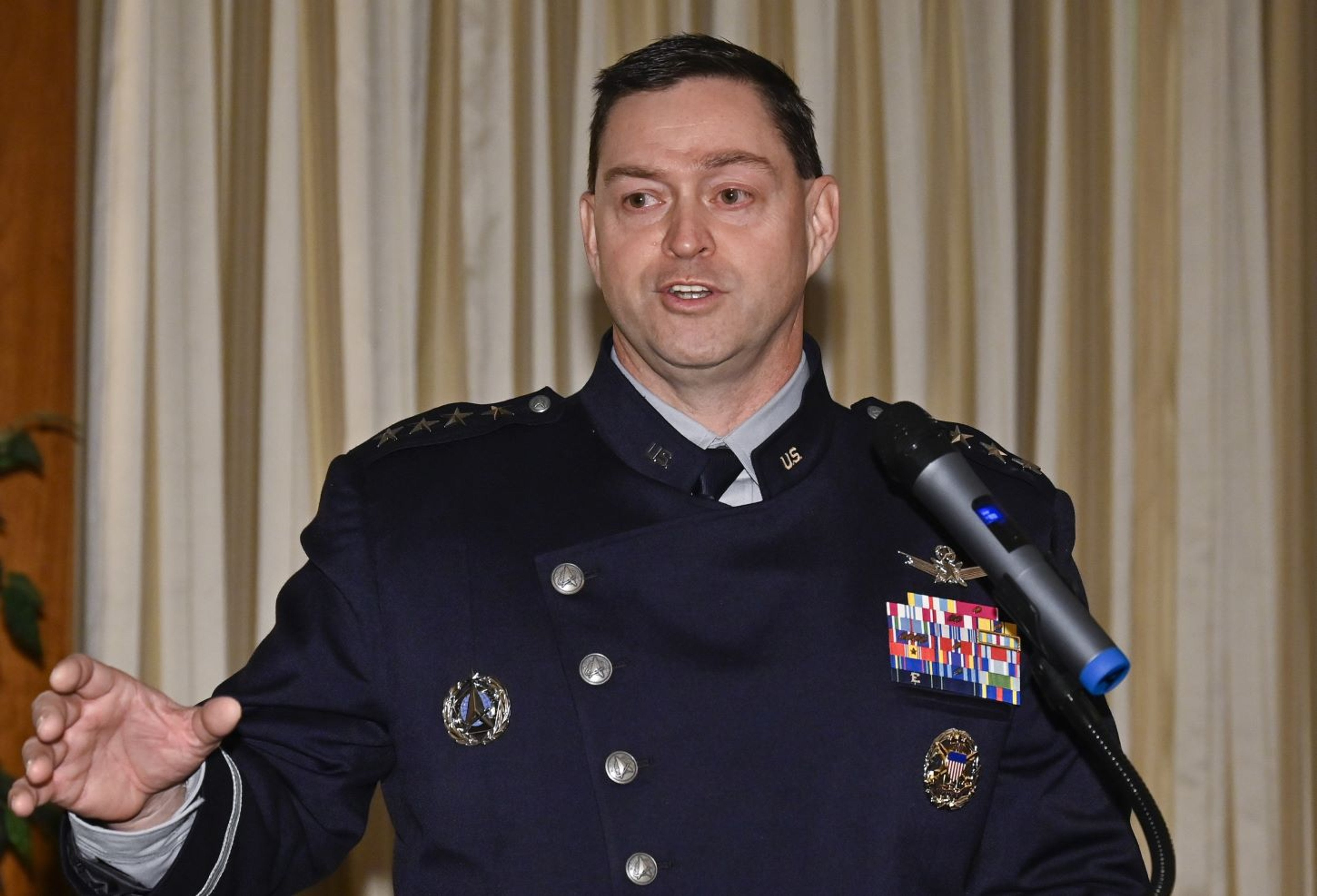
Saltzman’s criticism centerd on the lack of clarity and the inability of the current mission statement to reflect why the Space Force exists and the critical functions performed by its Guardians. He stressed the need for a revised mission statement that accurately portrays the Space Force’s purpose and resonates with its members.
<blockquote class="twitter-tweet"><p lang="zxx" dir="ltr"><a href="https://t.co/BQUXZoXfQI">https://t.co/BQUXZoXfQI</a></p>— Military.com (@Militarydotcom) <a href="https://twitter.com/Militarydotcom/status/1658305005697335296?ref_src=twsrc%5Etfw">May 16, 2023</a></blockquote> <script async src="https://platform.twitter.com/widgets.js" charset="utf-8"></script>
Gear Spotlight- What Our Readers Are Picking Up




The Space Force, as a separate service branch under the Department of the Air Force, has been striving to establish public recognition and understanding since its inception three years ago. However, the service has faced challenges in gaining visibility, including late-night talk show jokes, a poorly received Netflix series bearing its name, and internal slogans that mocked the perceived sluggishness of its development.
One of the difficulties highlighted by experts, such as Robert Farley, a professor at the University of Kentucky specializing in national security and intelligence, is the inherent challenge of making the Space Force’s mission visible and exciting to the public. Unlike air shows featuring fighter jets or naval parades showcasing the latest carriers, the Space Force’s activities in space are less tangible and observable.
Farley explained that the Space Force faces a perception issue due to the nature of its mission, which revolves around technology, satellite systems, and space operations. He acknowledged the frustration within the service in trying to convince people of its existence and to provide a clear understanding of its purpose.
In his memo, Saltzman called for a new mission statement that is informative, memorable, and inclusive. He urged service members to engage in debate and share their suggestions for a revised statement, seeking their active participation in the process.
Saltzman’s plea for a new mission statement aligns with his commitment to ensuring that the Space Force’s purpose and objectives are effectively communicated and resonate with its personnel. By involving Guardians in the revision process, he aims to foster a sense of ownership and inclusivity, allowing their voices to shape a statement that reflects the values and aspirations of the service.
The recent appointment of Chief Master Sgt. John F. Bentivegna as the top enlisted leader of the Space Force further underscores the service’s dedication to its internal culture, policies, and morale.
As the Space Force continues to refine its mission statement, it aims to develop a clear and concise statement that accurately conveys its purpose and resonates with Guardians and the public alike. By addressing the concerns raised by Saltzman, the service seeks to strengthen its identity, enhance public understanding, and ensure a unified sense of purpose among its dedicated members.
The Space Force’s journey toward establishing a distinct culture and identity involves various factors, including leadership, training, operational achievements, and public outreach. Efforts to overcome perception challenges and solidify its position as a crucial component of national security in the space domain will require ongoing adaptation, engagement, and effective communication.


