
Cart
0
Harvard Faces Threats Over Foreign Student Enrollment
The US Department of Homeland Security threatens to revoke Harvard University's ability to enroll foreign students if it doesn't comply with demands to share information on visa holders.
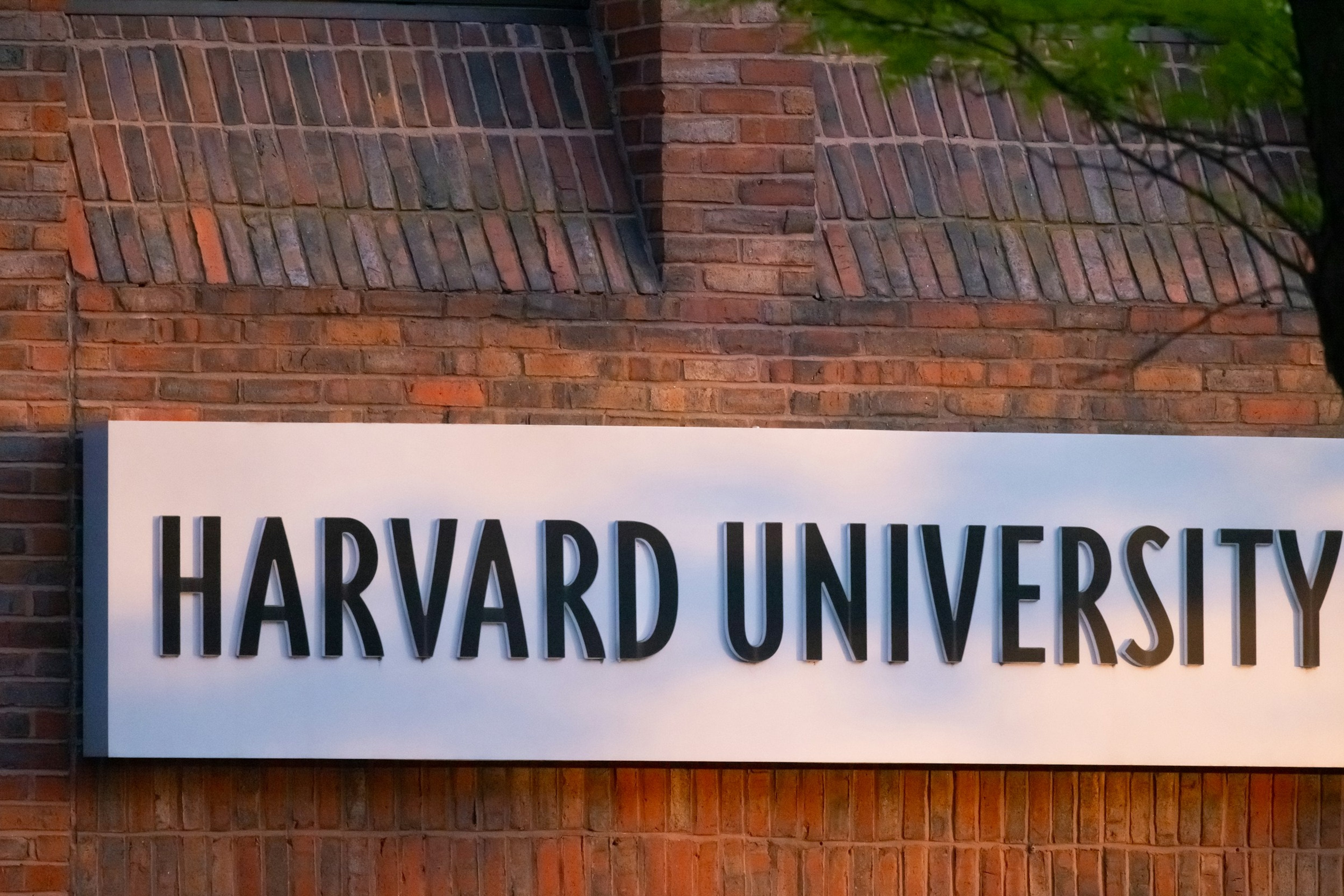
photo of harvard university, text, sign, and symbol by Xiangkun ZHU (@arttoinspire)
The U.S. Department of Homeland Security has warned Harvard University that it will lose its ability to enroll foreign students if it does not comply with demands to share information on some visa holders. This move marks the latest escalation against the educational institution by the Trump administration.
Department of Homeland Security Secretary Kristi Noem announced the termination of two DHS grants totaling more than $2.7 million to Harvard, citing the university's alleged failure to report "illegal and violent activities" by foreign student visa holders. Noem has given Harvard until April 30 to provide the required records.
Gear Spotlight- What Our Readers Are Picking Up




"If Harvard cannot verify it is in full compliance with its reporting requirements, the university will lose the privilege of enrolling foreign students," Noem stated. A Harvard spokesperson responded that the university stands by its commitment to independence and constitutional rights while complying with the law.
The Trump administration's crackdown on Harvard is part of a broader effort to target universities over pro-Palestinian campus protests against U.S. ally Israel's military actions in Gaza. President Donald Trump has cast the protesters as foreign policy threats, accusing them of antisemitism and sympathy with Hamas.
Protesters, including some Jewish groups, argue that the Trump administration is wrongly conflating advocacy for Palestinian rights and criticism of Israel's actions with support for extremism and antisemitism. The administration has also attempted to deport some foreign protesters and revoked hundreds of visas nationwide.
Noem criticized Harvard's alleged "anti-American, pro-Hamas ideology" and suggested that the university's $53.2 billion endowment should cover its costs instead of relying on federal funding. Harvard has previously emphasized its efforts to combat antisemitism and prejudice on campus while preserving academic freedoms and the right to protest.
The Trump administration's review of $9 billion in federal contracts and grants to Harvard has led to demands for restrictions, including a mask ban and removal of diversity, equity, and inclusion programs, as a condition for continued federal funding.


