
Cart
0
TSA Says Not to Hide Smoke Grenades in Peanut Butter
The Transportation Security Administration is warning travelers after officers discovered a live smoke grenade concealed inside a jar of peanut butter at Indianapolis International Airport. Officials say the bizarre attempt is a reminder that explosives, whether real or fake, are never permitted in carry-on or checked baggage.

Photo by tsa
Some travel tips should be obvious.
Apparently, this one wasn't.
Gear Spotlight- What Our Readers Are Picking Up

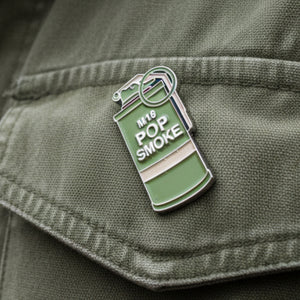


The TSA is urging travelers not to hide smoke grenades in peanut butter after officers uncovered exactly that during a routine security screening at Indianapolis International Airport.
The unusual discovery happened this week when a passenger attempted to bring a live smoke grenade through airport security by concealing it inside a jar of peanut butter.
It didn't work.
According to the TSA, officers immediately identified the suspicious item during X-ray screening. The Indianapolis Airport Police were called to the checkpoint, the grenade was safely removed, and the passenger was questioned. The agency has not released the traveler's identity or said whether criminal charges will follow.
The TSA couldn't resist adding a little humor.
In a social media post that quickly went viral, the agency wrote, "This just left us salty," before reminding travelers that explosives cannot be packed in either carry-on or checked luggage, regardless of whether they're hidden in smooth or crunchy peanut butter.
But behind the jokes is a serious message.
Smoke grenades are considered hazardous materials because they contain pyrotechnic compounds that can ignite and produce large amounts of smoke. Even if they are novelty items or military surplus, they are prohibited from commercial flights due to the potential safety risks they pose.
If you've followed this so far, here's the part that actually matters.
TSA officers intercept thousands of prohibited items every year, ranging from loaded firearms and fireworks to stun guns and explosives. While many travelers claim they simply forgot an item was in their bag, officials say intentionally concealing dangerous objects creates additional security concerns and can lead to fines, criminal investigations, or missed flights.
In this case, a jar of peanut butter became the last place anyone expected to find a smoke grenade.
But that's exactly why airport security exists.
One unusual discovery may seem humorous online, yet it also serves as a reminder that aviation safety often depends on catching the unexpected before it reaches the aircraft.
Editor's Note
Stories like this may make people laugh, but they also highlight the challenges security officers face every day.
Most passengers never see what is intercepted at airport checkpoints. From loaded firearms to hidden explosives, TSA officers are trained to expect the unexpected.
This week's peanut butter discovery may be one of the stranger cases, but it reinforces a simple rule that should never be ignored. If it can endanger a flight, don't pack it.


