
Cart
0
Why Elite Soldiers Close Every Mission Before They Rest and What Science Says About Stress
Elite military units are trained to reduce uncertainty before they recover. Modern neuroscience suggests that completing tasks and creating clear "end signals" may help the brain switch from a state of heightened alert to recovery. While the idea has gained attention online, experts say stress is driven by multiple biological and psychological factors, making closure one useful tool rather than a universal cure.

U.S. Army Reserve Photo by Master Sgt. Jacob Boyer/RELEASED
Most people think stress disappears when you relax.
Elite soldiers are taught something different.
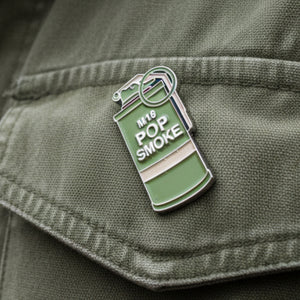
Gear Spotlight- What Our Readers Are Picking Up



In military operations, the mission doesn't truly end when the shooting stops. It ends when weapons are secured, casualties accounted for, reports filed, equipment checked, and commanders officially declare the operation complete.
That process isn't just military tradition.
It may also help the brain recognize that the threat has passed.
Military organizations around the world use structured After Action Reviews (AARs) and post-mission debriefs after combat, training exercises, and crisis operations. Every soldier documents what happened, identifies lessons learned, and closes out outstanding tasks before moving on to the next mission.
Defense psychologists say these routines do more than improve performance.
They reduce uncertainty.
If you've followed this far, here's where the science comes in.
The body's primary stress hormone, cortisol, rises when the brain perceives uncertainty, danger, or loss of control. The amygdala, which detects threats, activates the body's fight-or-flight response, while the prefrontal cortex works to assess whether the threat has ended.
When situations remain unresolved, the brain often continues treating them as unfinished business.
Psychologists refer to this tendency as the Zeigarnik Effect, first identified in the 1920s. Research found that people remember interrupted or incomplete tasks more vividly than completed ones because the brain continues allocating attention until closure is achieved.
Military planners have long recognized a similar principle operationally.
Standard procedures require units to account for every person, every weapon, every vehicle, and every objective before concluding a mission. These checklists reduce uncertainty, prevent mistakes, and provide a clear transition from combat operations to recovery.
Special Operations Forces and aviation crews follow comparable protocols.
Pilots conduct post-flight inspections after every mission. Special operations teams document intelligence, equipment status, communications, and medical issues before standing down. The objective is not simply paperwork. It is creating confidence that nothing critical has been overlooked.
Researchers say predictability itself has measurable biological value.
Studies from the U.S. military and civilian neuroscience show that predictable routines reduce cognitive load, improve decision-making under pressure, and help individuals recover more effectively after high-stress events.
That does not mean cortisol rises only because life feels uncertain.
Medical experts emphasize that cortisol is influenced by many factors, including physical danger, sleep deprivation, illness, chronic anxiety, pain, trauma, and intense exercise. Closure alone cannot eliminate stress, but reducing uncertainty may help prevent the brain from remaining unnecessarily alert after a stressful event.
Veterans and military psychologists often recommend similar habits after deployment or demanding operations.
Writing down completed tasks, maintaining structured routines, finishing small objectives, and conducting personal debriefs can all help create a sense of progress and control.
For civilians, the principle is remarkably similar.
Finishing an important project, crossing tasks off a checklist, or reviewing what was accomplished during the day may provide the brain with the same signal soldiers receive after a completed mission.
The battlefield and everyday life are worlds apart.
But both rely on one fundamental truth.
Sometimes, the fastest way to recover isn't simply resting.
It's convincing your brain the mission is actually over.
Editor's Note
Military organizations use structured debriefs and mission-completion procedures primarily to improve accountability, readiness, and operational learning. Research suggests these practices may also support psychological recovery by reducing uncertainty, although stress responses vary significantly between individuals.


