
Cart
0
Mass Killings Reported as RSF Seizes Al-Fashir in Darfur Siege
Sudanese paramilitary forces allegedly executed fleeing men and civilians after capturing Al-Fashir. Deepening the humanitarian crisis in war-torn Darfur.
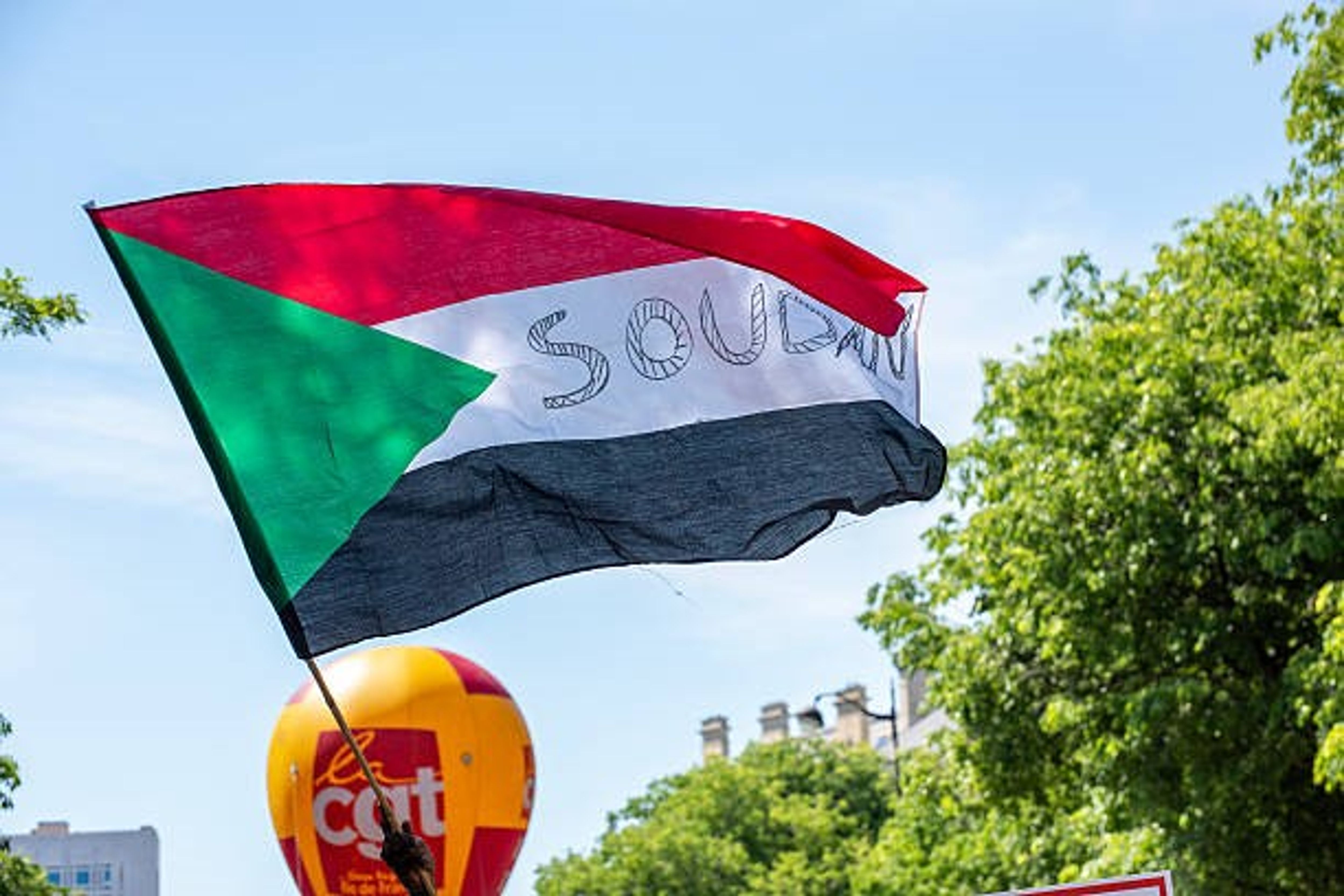
A protester waves a Sudanese flag before the May Day via Getty Images
Sudan’s paramilitary Rapid Support Forces (RSF) allegedly beat and shot men fleeing from the long-besieged city of al-Fashir after capturing it, according to an escapee’s account corroborated by aid officials, satellite images, and unverified social media videos.
As al-Fashir, the Sudanese army’s last major stronghold in the Darfur region, fell to the RSF on Sunday, Ikram Abdelhameed and her three children and grandson were among thousands attempting to flee. Abdelhameed’s account, obtained by Reuters through a local journalist after she reached the nearby town of Tawila, provides a rare firsthand testimony from inside the city, where communications have been cut off.
Gear Spotlight- What Our Readers Are Picking Up



Aid groups and activists had warned of possible ethnically motivated revenge attacks as RSF forces overran the army and allied fighters, many of whom belong to the Zaghawa ethnic group. The RSF’s victory consolidates its control over Darfur after an 18-month siege and reinforces Sudan’s de facto division under two rival governments. Analysts say the RSF may now try to expand its territorial control.
The ongoing two-and-a-half-year conflict between the RSF and Sudanese army has fueled what the United Nations describes as the world’s worst humanitarian crisis. Famine has taken hold in al-Fashir, where hospitals and civilian sites were struck by drone attacks during the siege.
Abdelhameed said she and her children fled amid heavy gunfire. “We were running and they were chasing us, firing missiles ahead and behind us,” she recounted. She lost contact with her husband in the chaos.
The family was stopped at an earthen barrier around the city, where men were separated from women. “They lined the men up and said, ‘We want the soldiers,’” Abdelhameed said. “When none raised their hands, an RSF fighter picked some of them who were beaten and killed. They shot them in front of us, they shot them in the street.”
The women were taken aside and could hear further gunfire and beatings before being told to leave. “The soldiers told us to go ahead and the men will follow, but we never saw them again,” she said.
The RSF has not responded to Reuters’ requests for comment. In a statement to media, the RSF-led political coalition cast doubt on reports of abuses but said it would investigate any verified claims. RSF leaders have previously said civilians in al-Fashir would be protected.
Videos circulating online, though unverified, show young men being questioned about alleged ties to the army before being shot at close range. Satellite imagery from the Yale Humanitarian Research Lab shows clusters of body-sized objects, with surrounding reddish discoloration that could indicate blood, near RSF-constructed barriers in al-Fashir.
“We are horrified by credible reports of widespread violations, including summary executions, attacks on civilians along escape routes, house-to-house raids and obstacles preventing civilians from reaching safety,” the U.N. humanitarian team in Sudan said in a statement.
Abdelhameed said her two-month-old grandson, whose parents were killed during the siege, had become sick from eating moldy animal feed. “Since his mother died two weeks ago, I could only give him milk once,” she said, adding that she fed him rehydration salts until they reached Tawila. Photos verified by Reuters show the infant with a bandaged hand attached to an intravenous drip.
Medical charity Médecins Sans Frontières (MSF) said that among those arriving in Tawila last week from al-Fashir, 75% of children were acutely malnourished and 26% severely malnourished. Tawila now hosts around 800,000 internally displaced people, many from al-Fashir and the nearby Zamzam displacement camp.
According to the International Organization for Migration (IOM) Sudan country director Mohamed Refaat, more than 26,000 people fled al-Fashir on Sunday and Monday, but fewer than 2,000 reached Tawila. Around 250,000 people remained trapped in al-Fashir toward the end of the siege.
Editor’s Note:
This article is based on verified testimonies, satellite imagery, and statements from humanitarian agencies. Some videos referenced could not be independently verified due to communication blackouts and restricted access to al-Fashir. The situation in Darfur remains fluid, and reports of violence and displacement continue to emerge as humanitarian agencies struggle to gain access to affected areas.


