
Cart
0
Saudi Arabia, Pakistan Sign Mutual Defense Pact Amid Tensions with Israel
Saudi Arabia and Pakistan sign a mutual defense pact, defining an attack on either nation as an attack on both, amid heightened tensions with Israel.
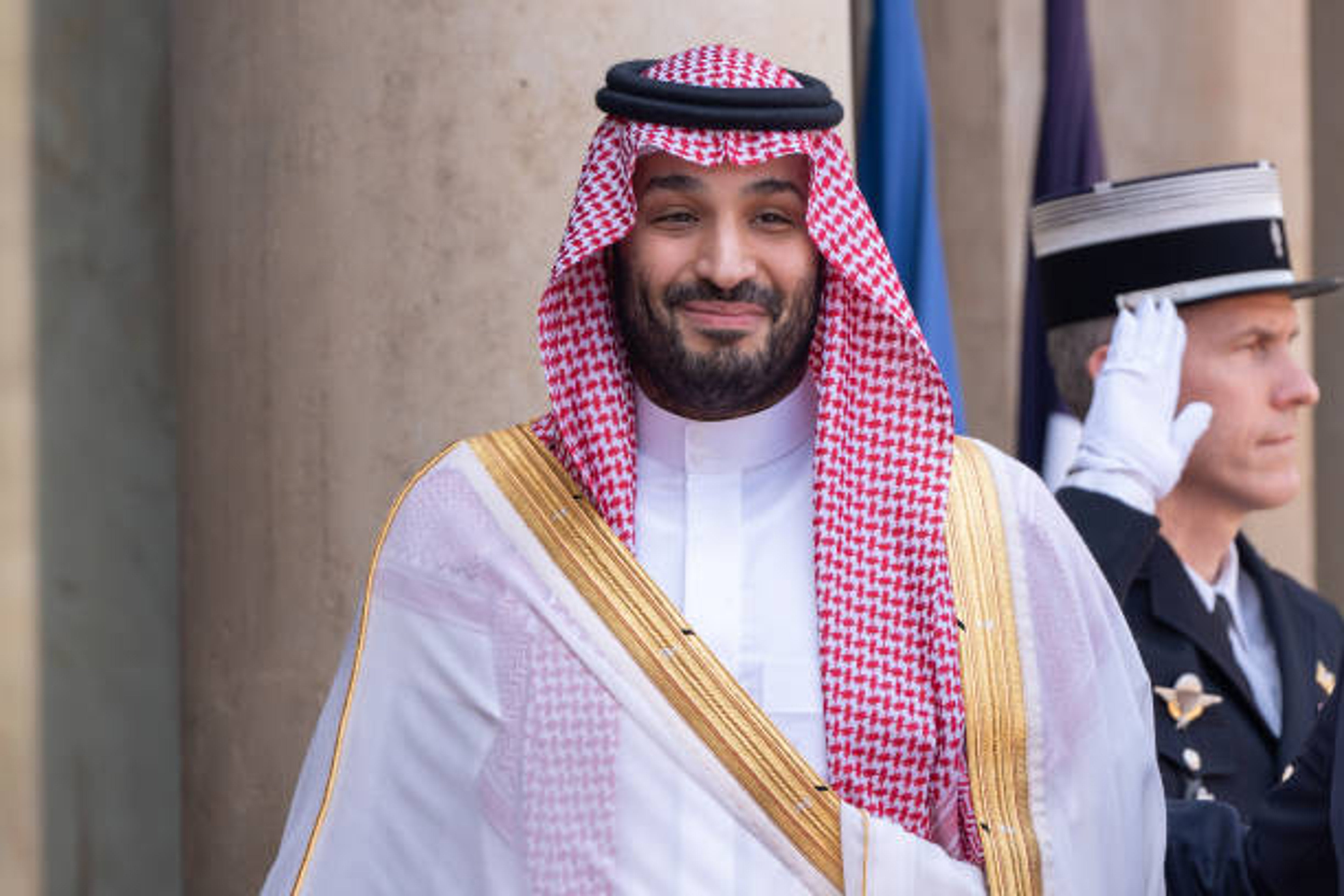
Saudi Arabia's Crown Prince Mohammed bin Salman in Paris
In a significant development, Saudi Arabia and nuclear-armed Pakistan have signed a mutual defense pact, defining any attack on either nation as an attack on both. The agreement, signed by Saudi Crown Prince Mohammed bin Salman and Pakistan's Prime Minister Shehbaz Sharif, aims to strengthen joint deterrence against any aggression.
The pact comes in the wake of Israel's strike on Qatar last week, sparking concerns about regional security. Analysts suggest that the timing of the agreement appears to be a signal to Israel, long suspected to be the Middle East's only nuclear-armed state.
Gear Spotlight- What Our Readers Are Picking Up




According to statements issued by both Pakistan's Foreign Affairs Ministry and the state-run Saudi Press Agency, the agreement states "any aggression against either country shall be considered an aggression against both." The pact aims to develop aspects of defense cooperation between the two countries and strengthen joint deterrence against any aggression.
The agreement marks the first major defense decision by a Gulf Arab country since the Qatar attack. The United States, long the security guarantor for the Gulf Arab states, did not respond to questions posed to the State Department.
Zalmay Khalilzad, a former U.S. diplomat, expressed concern over the deal, saying it comes in "dangerous times." Khalilzad noted that Pakistan has nuclear weapons and delivery systems that can hit targets across the Middle East, including Israel, and is developing systems that can reach targets in the U.S.
Pakistan and Saudi Arabia have a defense relationship stretching back decades, with Islamabad's willingness to defend the Islamic holy sites of Mecca and Medina in the kingdom. The two countries have increased their ties since Iran's 1979 Islamic Revolution and the kingdom's fears of a confrontation with Tehran.
Pakistan developed its nuclear weapons program to counter India's atomic bombs. The two neighbors have fought multiple wars against each other and again came close to open warfare after an attack on tourists in April in Indian-controlled Kashmir. India is believed to have an estimated 172 nuclear warheads, while Pakistan has 170, according to the U.S.-published Bulletin of Atomic Scientists.
India's Foreign Ministry acknowledged the Saudi-Pakistan pact and said it "will study the implications of this development for our national security as well as for regional and global stability." Saudi Arabia also maintains close ties with India.
Neither Pakistan nor Saudi Arabia responded to questions on whether the pact extended to Islamabad's nuclear weapons arsenal. Pakistan "has historically maintained a deliberately ambiguous nuclear doctrine," according to the Bulletin of Atomic Scientists.
Syed Muhammad Ali, an Islamabad-based security analyst, noted that Pakistan's National Command Authority, which oversees the country's atomic weapons, had not made any statement on the pact. However, he believed Pakistan capable of responding to Israel even without the deterrent effect of atomic weapons, saying, “Pakistan's military... is adequate enough to improve the security of Saudi Arabia without having to resort to the nuclear option.”


