
Cart
0
Lawmakers give a damn about military housing?
Lawmakers are actively pursuing measures to improve the liveability of military housing through the annual defense policy bill. Recognizing the challenges faced by service members and their families residing on military bases, key provisions have been included in the National Defense Authorization Act (NDAA) to address and rectify housing-related issues.
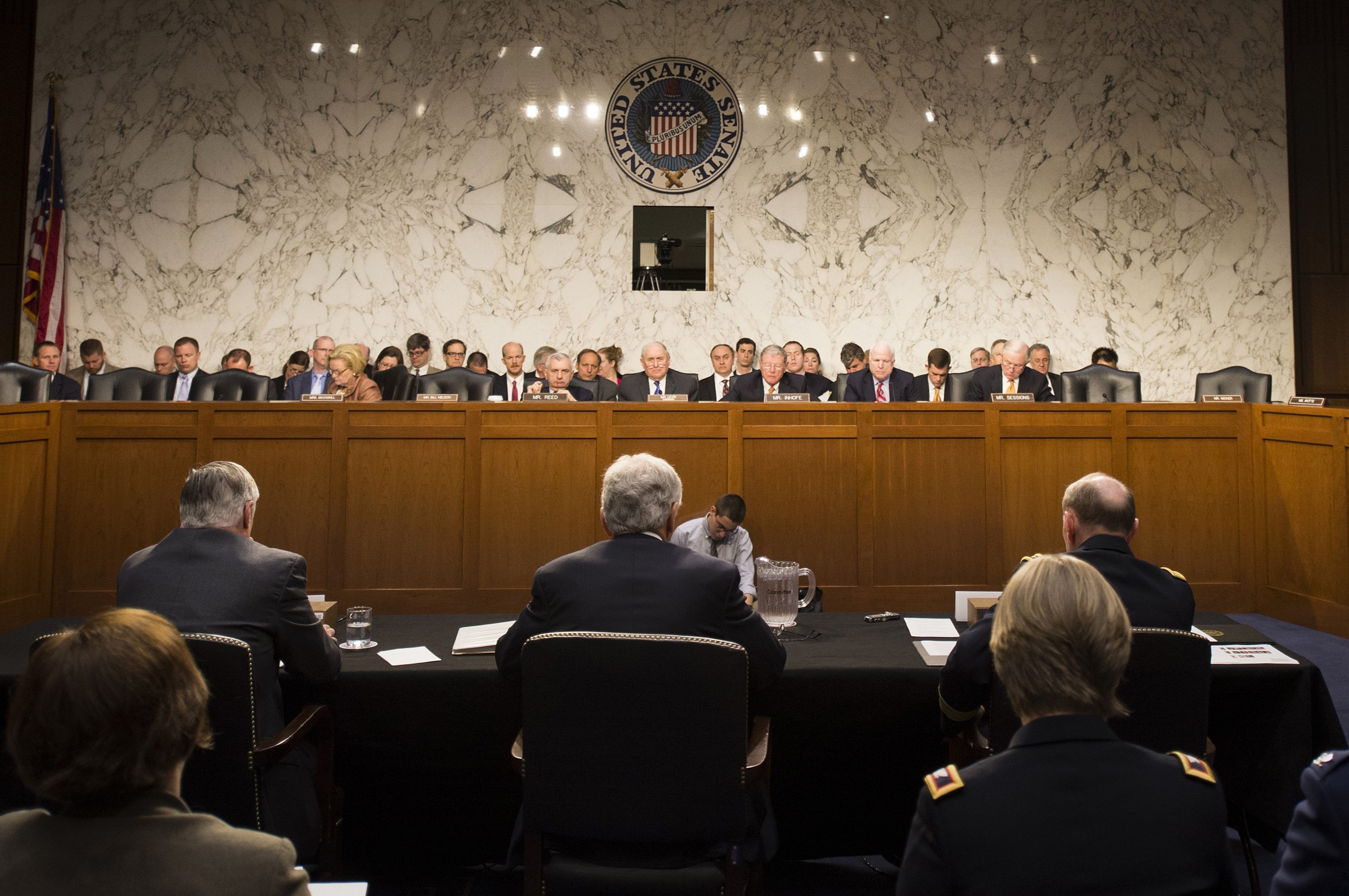
Senate Armed Services Committee aims to establish a higher standard of quality for barracks by legally requiring them to meet basic habitability standards. Currently, military-owned barracks are exempt from the same requirements imposed on privatized housing for military families. However, this exemption would be lifted under the proposed NDAA, ensuring that barracks are held to the same liveability standards as other military housing.
The move to improve the quality of barracks comes as a response to recent instances of health hazards caused by issues such as mold infestations. Military housing, both privatized and government-owned, has faced challenges in maintaining suitable living conditions, affecting the well-being and health of service members.
Gear Spotlight- What Our Readers Are Picking Up


Mold outbreaks at bases like Fort Liberty in North Carolina and Fort Stewart in Georgia have raised concerns, with affected personnel reporting health issues including asthma and nosebleeds. An Army audit earlier this year revealed mold issues in approximately 2,100 military facilities, including barracks and offices.
The House Armed Services Committee’s version of the NDAA also prioritizes the enhancement of housing for military families. It includes measures requiring the Pentagon to establish minimum health and safety standards for barracks and prevents waivers of these standards without approval from the respective service secretary.
In addition to raising living standards, the Senate committee’s NDAA proposes measures to address substandard enlisted barracks more promptly. The legislation grants the military services greater flexibility to replace inadequate barracks using alternative funding sources over a span of five years. This authority, separate from the traditional military construction process, allows service secretaries to respond swiftly to poor living conditions and expedite the necessary improvements.
To further enhance the management and oversight of enlisted barracks, the bill also mandates the establishment of a department-wide work order system and civilian oversight through installations’ housing offices. These measures aim to streamline maintenance processes, ensure prompt resolution of issues, and introduce an additional layer of accountability for barracks conditions.
The House NDAA introduces complementary measures targeted at improving privatized military housing. It seeks to establish a Military Housing Readiness Council consisting of representatives from various stakeholders, including the Pentagon, military services, military spouses, housing advocacy groups, and outside experts in housing standards.
The council would monitor compliance with the congressionally mandated tenant bill of rights and complaint database, fostering greater accountability and oversight in privatized housing.


