
Cart
0
Cloudbursts Devastate India and Pakistan, Killing Hundreds and Triggering Flash Floods
Deadly cloudbursts in India and Pakistan have killed hundreds, with experts linking their growing frequency and destructiveness to climate change.
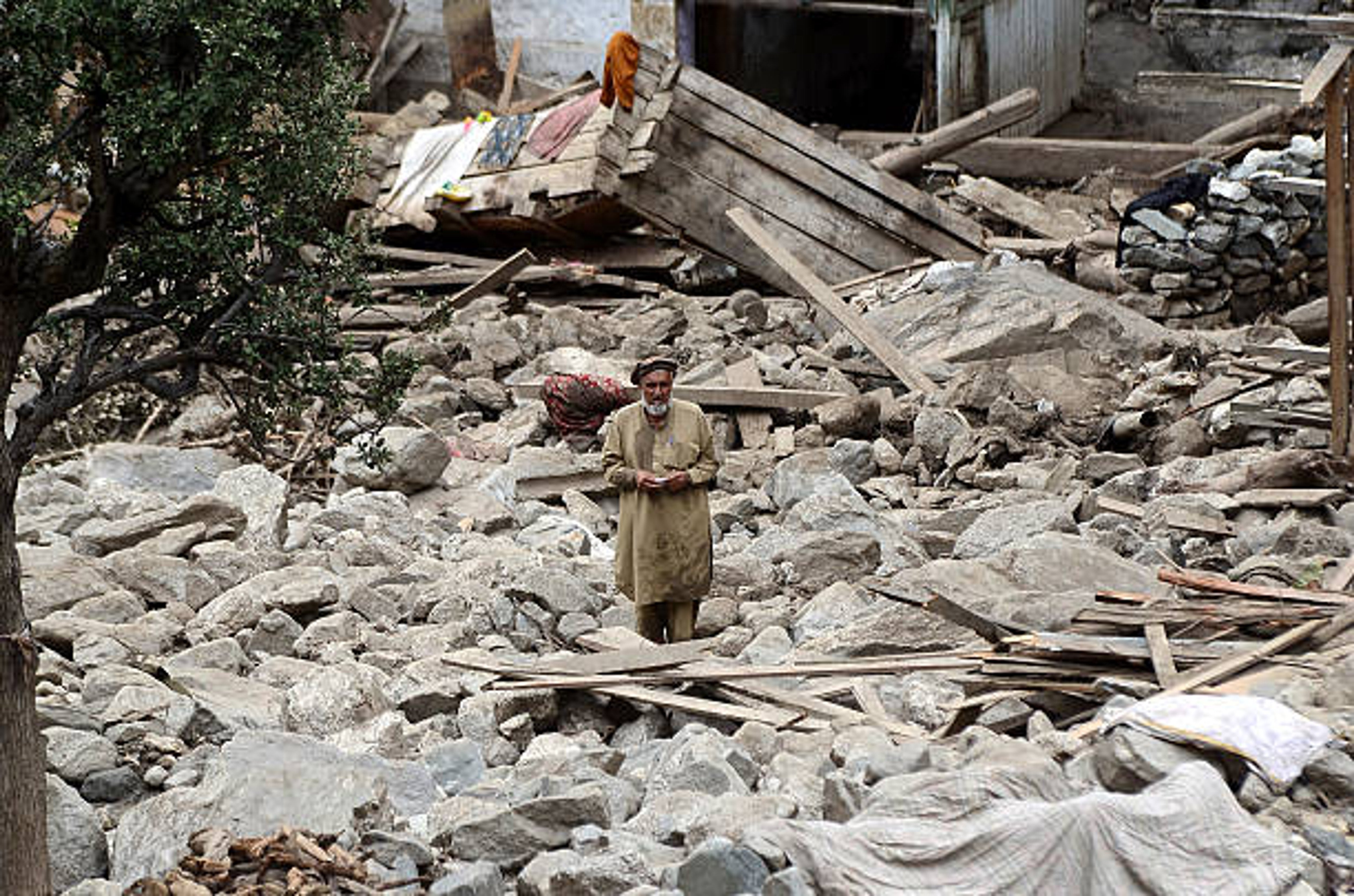
Aftermath of flash floods in Thak Gah village of Pakistan
Cloudbursts are causing chaos in mountainous regions of India and Pakistan, with sudden and intense downpours unleashing deadly flooding, landslides, and widespread destruction.
As many as 300 people died in Buner district, northwestern Pakistan, after a cloudburst triggered flash flooding, landslides, and mudflows. Boulders from steep slopes came crashing down with the water, flattening homes and reducing entire villages to rubble.
Gear Spotlight- What Our Readers Are Picking Up




In India, the northern state of Uttarakhand was struck by a cloudburst earlier this month. Local television footage showed floodwaters surging down a mountain and crashing into Dharali, a Himalayan village. The state experienced one of the deadliest such incidents in 2013, when more than 6,000 people died and 4,500 villages were affected by a similar cloudburst.
A cloudburst occurs when a large volume of rain falls in a very short time, usually more than 100 millimeters (about 4 inches) within an hour over a localized area of about 30 square kilometers (11.6 square miles). These events are sudden and violent, unleashing the equivalent of several hours of normal rainfall or more at once, often described as a “rain bomb.”
Several factors contribute to cloudbursts, including warm, moist air rising upward, high humidity, low pressure, instability, and convective cloud formation. Moist air forced to rise after encountering hills or mountains cools and condenses into dense clouds capable of heavy rainfall. Mountain ranges trap these clouds, preventing them from dispersing, while strong upward currents keep moisture suspended until the clouds burst, releasing immense amounts of water simultaneously.
Cloudbursts thrive in regions with moisture, monsoons, and mountains — conditions found across India and Pakistan. The Himalayas, Karakoram, and Hindu Kush ranges, spanning multiple countries, are particularly vulnerable.
Experts note that the frequency of cloudbursts has been steadily increasing due to a warming atmosphere. Warmer air holds more moisture, fueling sudden, intense downpours. Traditionally, South Asia has two monsoon seasons — June to September, moving southwest to northeast, and October to December, moving in the opposite direction. However, climate change has disrupted these patterns, making rainfall more erratic, with monsoons now marked by intense flooding punctuated with dry spells rather than consistent rain.
Predicting cloudbursts remains difficult because of their size, duration, suddenness, and complex atmospheric mechanisms. Asfandyar Khan Khattak, a Pakistani official from Khyber Pakhtunkhwa province, said there is “no forecasting system anywhere in the world” that can predict the exact time and location of such events.
The Pakistani government said an early warning system was in place in Buner district but the downpour was so sudden and intense that residents could not be alerted in time.
Community organization SOST, based in Pakistan’s northern Gilgit-Baltistan region, has advised precautionary measures, including avoiding construction near rivers and valleys, postponing travel to hilly areas during heavy rains, keeping emergency kits ready, and avoiding mountainous roads during storms or at night. It also recommends afforestation to reduce surface runoff and widening riverbanks and drainage channels to mitigate flooding.
Experts say climate change has been a key driver behind the rising frequency and severity of cloudbursts. Each 1°C rise in temperature allows the air to hold about 7% more moisture, fueling intense rainfall. The warming of the Indian Ocean and Arabian Sea injects additional moisture into the atmosphere, while melting glaciers and snow in the north alter weather patterns and destabilize mountain slopes. Environmental degradation such as deforestation and wetland loss further reduces the land’s capacity to absorb water, worsening flash floods.
“Rising global temperatures have supercharged the hydrologic cycle, leading to more intense and erratic rainfall,” said Khalid Khan, a former special secretary for climate change in Pakistan and chairman of climate initiative PlanetPulse. “In our northern regions, warming accelerates glacier melt, adds excessive moisture to the atmosphere, and destabilizes mountain slopes. In short, climate change is making rare events more frequent, and frequent events more destructive.”


