
Cart
0
Elon Musk’s xAI Sues Apple and OpenAI Over Alleged AI Monopoly
Elon Musk’s xAI has sued Apple and OpenAI in U.S. federal court, accusing them of monopolistic collusion to block competition in the AI market and seeking billions in damages.
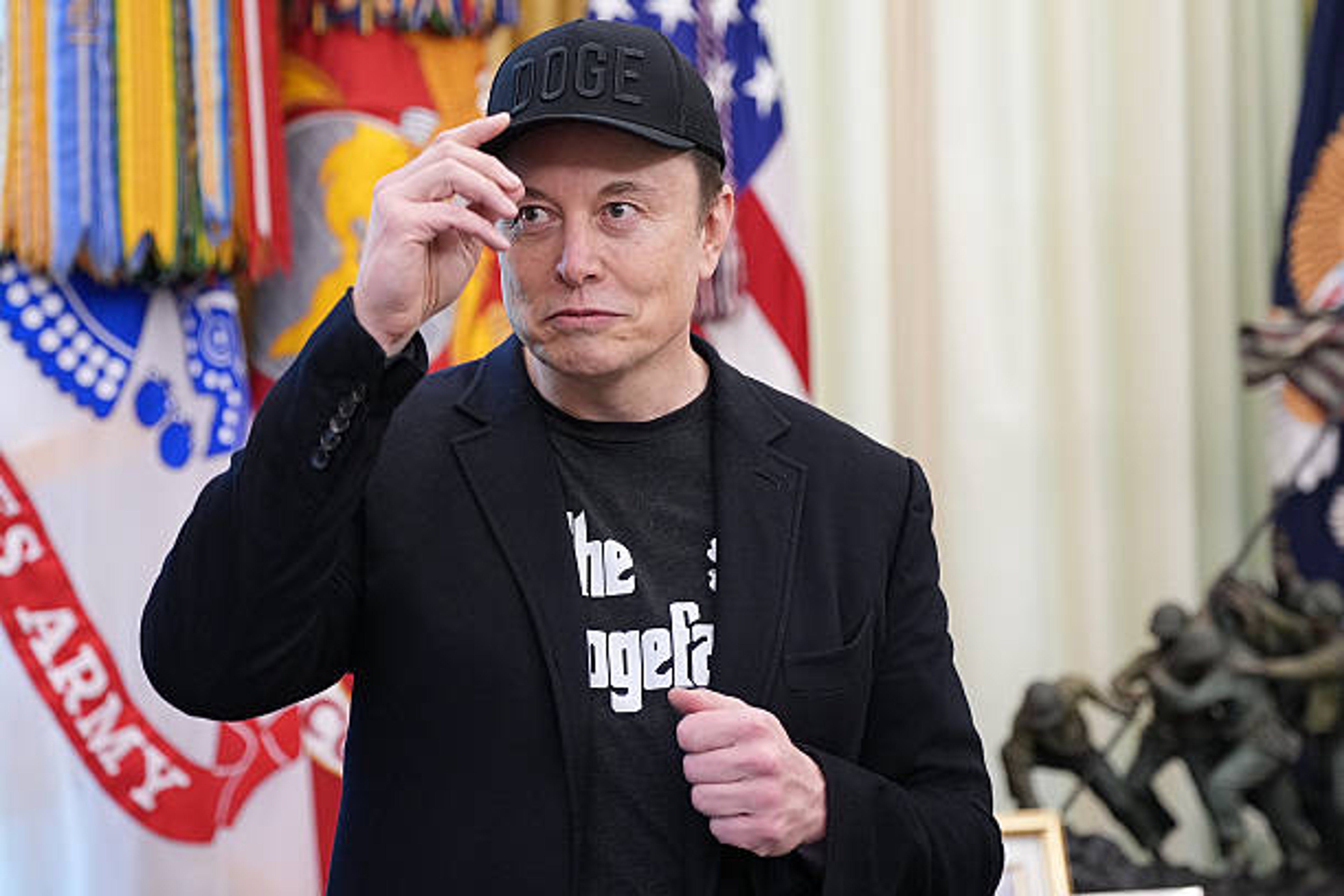
President Trump Holds Press Conference With Elon Musk in White House's Oval Office
Billionaire entrepreneur Elon Musk’s artificial intelligence startup xAI has filed a lawsuit against Apple and ChatGPT maker OpenAI in U.S. federal court in Texas, accusing the companies of illegally conspiring to suppress competition in the artificial intelligence sector.
The lawsuit alleges that Apple and OpenAI have “locked up markets to maintain their monopolies and prevent innovators like X and xAI from competing.” It highlights Apple’s partnership with OpenAI, which integrated ChatGPT into iPhones, iPads, and Macs, claiming this arrangement prevents Apple from promoting competing applications such as xAI’s Grok app.
Gear Spotlight- What Our Readers Are Picking Up




“If not for its exclusive deal with OpenAI, Apple would have no reason to refrain from more prominently featuring the X app and the Grok app in its App Store,” the lawsuit said. xAI stated that it is seeking billions of dollars in damages.
An OpenAI spokesperson responded, saying, “This latest filing is consistent with Mr. Musk’s ongoing pattern of harassment.” Apple did not immediately issue a comment.
Musk later reiterated the claims on his social media platform X, writing, “A million reviews with 4.9 average for @Grok and still Apple refuses to mention Grok on any lists.” Earlier this month, he had threatened to sue Apple, arguing its practices made it “impossible for any AI company besides OpenAI to reach #1 in the App Store.”
OpenAI’s ChatGPT became the fastest-growing consumer application in history following its launch in late 2022. In March, Musk’s xAI acquired X for \$33 billion to enhance chatbot training and has since integrated its Grok chatbot into Tesla vehicles. Founded less than two years ago, xAI competes with Microsoft-backed OpenAI and Chinese startup DeepSeek.
Antitrust experts not connected to the case noted that Apple’s dominant position in the smartphone market could strengthen xAI’s argument that Apple is illegally tying iPhone sales with OpenAI’s ChatGPT. However, they added Apple may defend its partnership with OpenAI as a strategic business decision in a competitive market, with no obligation to support rival applications. Apple could also argue security and operational considerations behind integrating AI directly into its operating system.
Legal scholars highlighted that the case could give U.S. courts their first opportunity to define the scope of the AI market, a key factor in antitrust litigation. “It’s a canary in the coal mine in terms of how courts will treat AI, and treat antitrust and AI,” said Christine Bartholomew, professor at the University at Buffalo School of Law.
The lawsuit comes as Musk is also suing OpenAI and its CEO Sam Altman in federal court in California over its shift from a nonprofit to a for-profit model. Musk cofounded OpenAI with Altman in 2015 as a nonprofit.
Apple’s App Store practices remain under scrutiny in other cases, including a high-profile lawsuit from “Fortnite” creator Epic Games, in which a judge ordered Apple to allow greater competition for app payment options.


