
Cart
0
Army hits pause on suicide prevention policy revisions
After three years of delays, the United States Army has once again hit the pause button on its efforts to rewrite its suicide prevention policies. The decision comes as Defense Secretary Lloyd Austin pushes for uniform prevention policies across all branches of the military, based on recommendations from an independent commission that concluded its work in February.
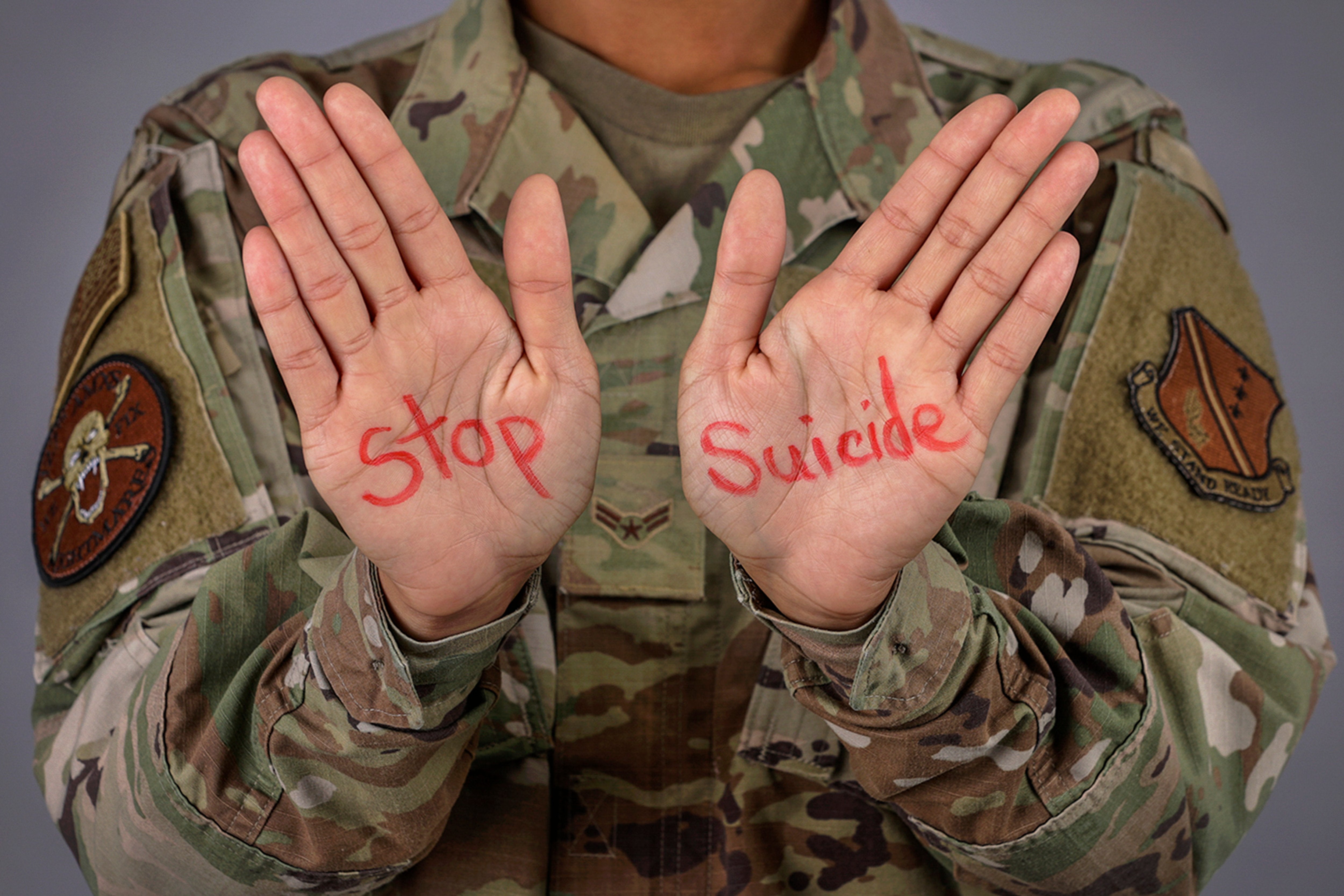
Despite previous promises to revise the suicide prevention policy, the Army has encountered repeated setbacks in implementing the much-needed changes. The most recent delay is attributed to the ongoing efforts to align with the forthcoming Pentagon policies, as recommended by the independent commission.
<blockquote class="twitter-tweet"><p lang="en" dir="ltr">After 3 Years of Delays, Army Has Again Paused Rewriting Suicide Prevention Policies - <a href="https://t.co/YNbrpBY2WE">https://t.co/YNbrpBY2WE</a> <a href="https://t.co/NBLQs3vkaj">pic.twitter.com/NBLQs3vkaj</a></p>— Combat Infantrymen's Association (@cibassociation) <a href="https://twitter.com/cibassociation/status/1664430987772833793?ref_src=twsrc%5Etfw">June 2, 2023</a></blockquote> <script async src="https://platform.twitter.com/widgets.js" charset="utf-8"></script>
Gear Spotlight- What Our Readers Are Picking Up


The need for clear and effective guidance on responding to Soldiers at risk of suicide or displaying suicidal ideation has become increasingly apparent in the face of persistently high suicide rates and tragic individual deaths.
A recent report by Military.com highlighted the case of Spc. Austin Valley, an Infantryman who died by suicide. Valley’s parents revealed that he was left without adequate medical care or supervision following an earlier suicide attempt, underscoring the critical gaps in the Army’s current suicide prevention policies.
The lack of cohesive and comprehensive guidance leaves units with limited resources and unclear procedures to address the complex issue of suicide prevention effectively. Existing response strategies are often vague and buried within multiple training programs, making it challenging for units to navigate the intricacies of supporting at-risk individuals.
In March 2022, Defense Secretary Austin established an advisory commission to investigate military suicides and explore potential strategies to combat the escalating rates. The commission’s findings emphasized the urgent need to address easy access to firearms as a central contributing factor to military suicides.
The panel recommended implementing measures such as banning gun sales to troops aged 24 and younger and implementing a waiting period for other service members purchasing firearms or ammunition.
However, implementing such restrictions on firearm access would likely become political lightning rods and would only affect on-base sales, as many military bases are surrounded by stores that sell weapons and ammunition.


