
Cart
0
Forensic anthropology identifies unknown heros from WWII to the Cold War
Forensic anthropologists in a military lab have successfully identified more than 1,200 Soldiers, Airmen, Sailors, and Marines who were reported missing from World War II through the Cold War.
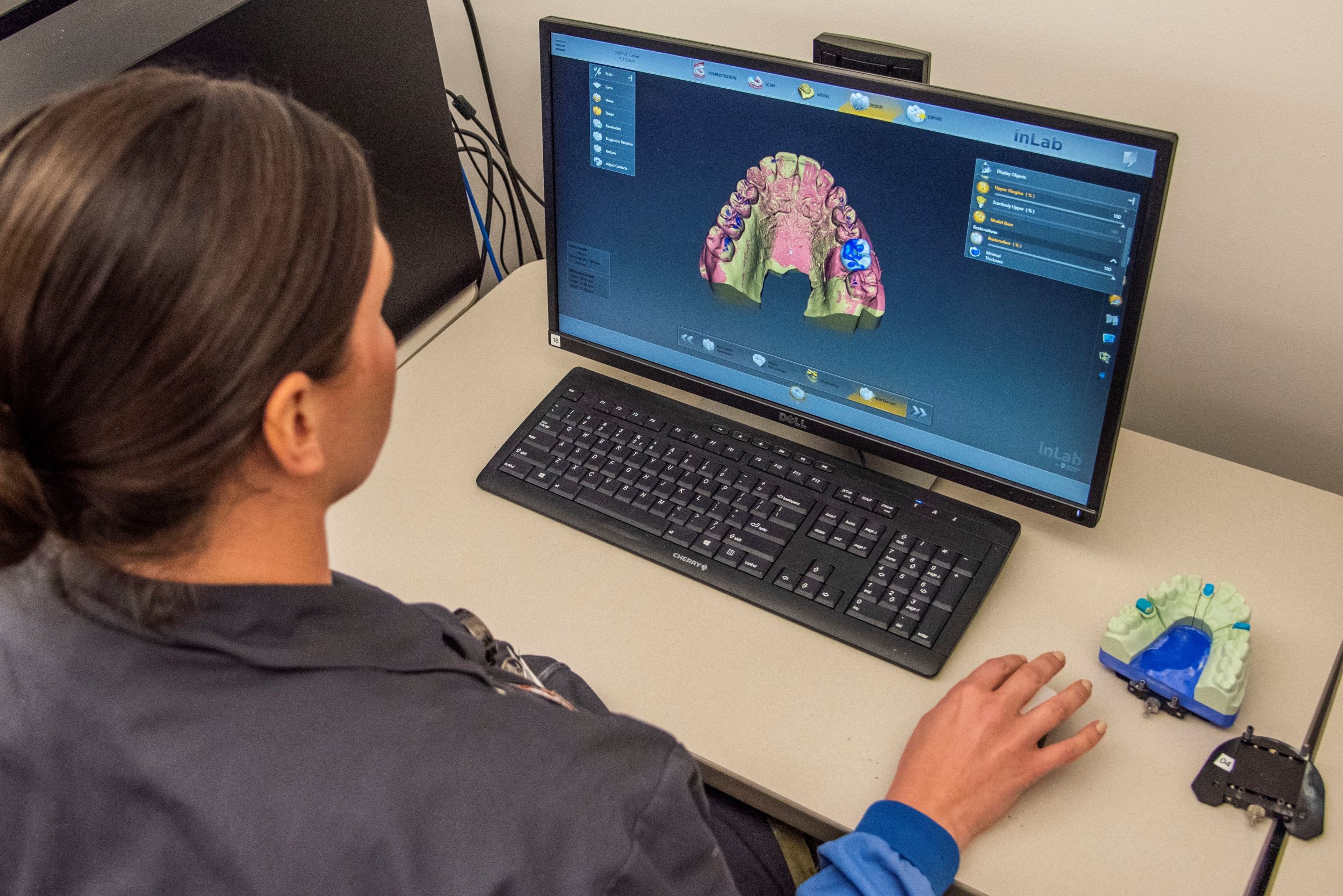
This monumental breakthrough, led by forensic anthropologist Carry Brown, brings closure to grieving families and honors the memory of these brave individuals who made the ultimate sacrifice.
Through meticulous analysis of DNA records, sinus records, and chest X-rays, they have pieced together the puzzle of these long-lost warfighterss’ identities. The result is a profound and long-overdue recognition of their service and sacrifice.
Gear Spotlight- What Our Readers Are Picking Up


For decades, families of these missing service members had grappled with unanswered questions and an agonizing absence of closure. Now, thanks to the expertise and relentless determination of forensic anthropologists, these families can finally lay their loved ones to rest with the honor and respect they deserve.
The identification of over 1,200 long-fallen heros spans a significant period of history, from the horrors of World War II through the tension-filled era of the Cold War. These individuals made immense sacrifices for their country, and their names had been shrouded in uncertainty for far too long. But today, their names have been recovered, and their stories can be shared once again.
Among the fallen soldiers recently identified is Luther H. Story, a valiant Soldier who served in the Army during the Korean War. Luther H. Story exhibited unparalleled bravery during the Battle of Yongsan, ultimately sacrificing his life on September 1, 1950. His posthumous receipt of the Medal of Honor is a testament to his heroism and his enduring legacy as an American hero.
The revelation his identity has brought immeasurable solace and relief to his family. It has given them the opportunity to properly commemorate their fallen heroes and ensure that their memories endure.
The impact of this historic identification effort extends beyond the fallen individual. It reinforces the nation’s commitment to honouring the sacrifices made by all who served in the military. Each identification restores a sense of dignity and recognition to the fallen heroes and their families, ensuring they are never forgotten.
The monumental work carried out by these forensic anthropologists not only serves as a source of comfort and closure to grieving families but also renews the nation’s promise to remember and honor its fallen heroes. It is a reminder of the profound debt of gratitude owed to those who have selflessly defended the values and freedoms cherished by their countrymen.
As the military labs continue their invaluable work, there is hope that even more unidentified heros will be identified, bringing solace to additional families who have endured decades of uncertainty.
The identification of over 1,200 long-fallen servicemembers is a testament to the enduring commitment to never forget those who made the ultimate sacrifice. Their names, stories, and sacrifices will now be forever etched in the annals of history, ensuring that they are remembered and revered for generations to come.


