
Cart
0
SpaceX Prepares for 10th Falcon Heavy Launch with Weather Satellite
SpaceX is set to launch the GOES-U weather satellite aboard its Falcon Heavy rocket on Tuesday, marking the rocket's 10th mission.
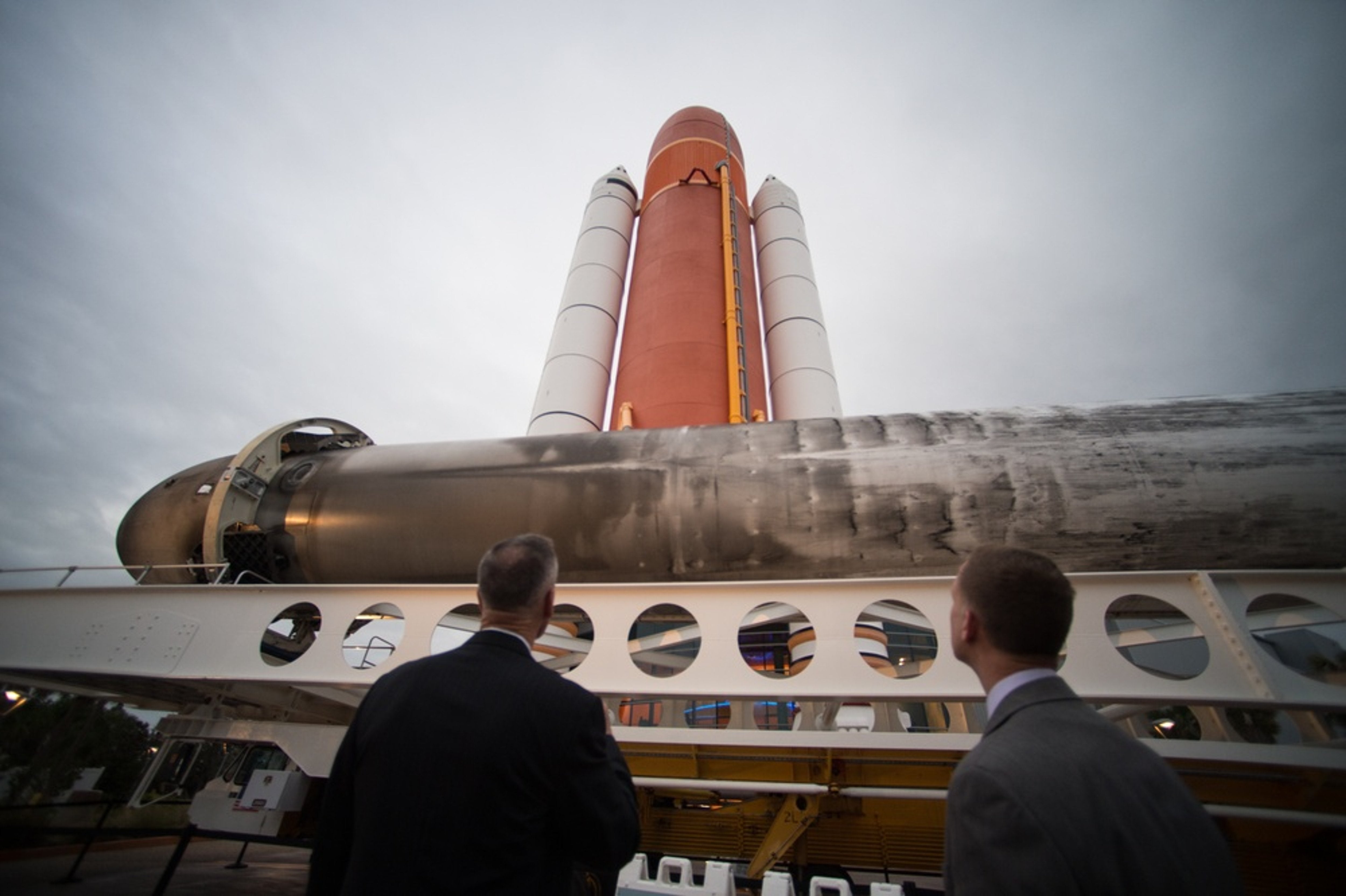
CAPE CANAVERAL, FLORIDA, UNITED STATES 02.20.2018 Photo by Sgt. James McCann Office of the Chairman of the Joint Chiefs of Staff
SpaceX is set for the 10th launch of its powerful Falcon Heavy rocket on Tuesday, aiming to deploy the 11,000-pound GOES-U satellite for NASA and the National Oceanic and Atmospheric Administration. The satellite will eventually monitor the Atlantic Ocean for tropical threats and other hazardous weather affecting the United States.
“GOES-U … will be the sentinel in the sky to keep an eye on hurricanes,” said Dan Lindsey, the chief scientist of NOAA’s GOES program, during a press conference Monday. It will also cover Central America, the Caribbean, and South America, enhancing lightning and wildfire observation capabilities in the U.S.
Gear Spotlight- What Our Readers Are Picking Up




The launch is scheduled for 5:16 p.m. from Kennedy Space Center’s Launch Pad 39-A, with a two-hour window. A backup window is available on Wednesday. NASA will broadcast the launch on NASA TV and its social media channels starting at 4:15 p.m. However, Space Launch Delta 45’s weather squadron forecasts only a 30% chance of favorable conditions due to expected deep tropical moisture and afternoon storms.
Two of the Falcon Heavy's three boosters will attempt landings at Cape Canaveral Space Force Station’s Landing Zones 1 and 2, potentially creating sonic booms across Central Florida. The center core booster will be discarded into the Atlantic.
GOES-U is the 19th Geostationary Operational Environmental Satellite (GOES) since 1975 and will be named GOES-19 once in orbit. It is the fourth and final satellite of the GOES-R series, which began in 2016.
“The GOES-R series creates a full disk (view) of the Earth every 10 minutes,” said National Weather Service Ken Graham. “Our weather service meteorologists often request enhanced scanning of rapidly evolving storms.”
GOES-16, currently monitoring the Atlantic, will be replaced by GOES-U before the 2025 hurricane season. The new satellite also includes a space weather tool to monitor coronal mass ejections that can threaten electrical and communication grids.
“NOAA satellites are the backbone of our country’s plan to become a space-weather-ready nation,” said Elsayed Talaat, director of NOAA’s Office of Space Weather Observations.
GOES satellites typically last at least 10 years, with some enduring up to 40 years. NOAA’s next replacements are not expected until 2032.
If the launch proceeds, it will be the first Falcon Heavy mission since December 28, 2023, when it launched Boeing’s X-37B Orbital Test Vehicle. The Falcon Heavy had five launches in 2023, including its first NASA mission with the Psyche deep-space probe. Its next NASA mission is scheduled for October, with the launch of the Europa Clipper spacecraft.
The Falcon Heavy first flew in 2018, sending Elon Musk’s Tesla on a journey past Mars. After two more flights in 2019 and a three-year hiatus, it resumed regular launches with SpaceX’s first mission for the Space Force in fall 2022.
This launch will mark SpaceX’s 65th operational mission of the year, including launches from California, and the 44th from the Space Coast. It does not include two test flights of the in-development Starship and Super Heavy rocket from Texas. SpaceX plans to eventually replace its Falcon 9 and Falcon Heavy rockets with Starship, with launch sites at both KSC and Cape Canaveral.


