
Cart
0
Equitable Al Education for Service Members
The evolution of warfighting requires rapidly educating the forces on new technologies.
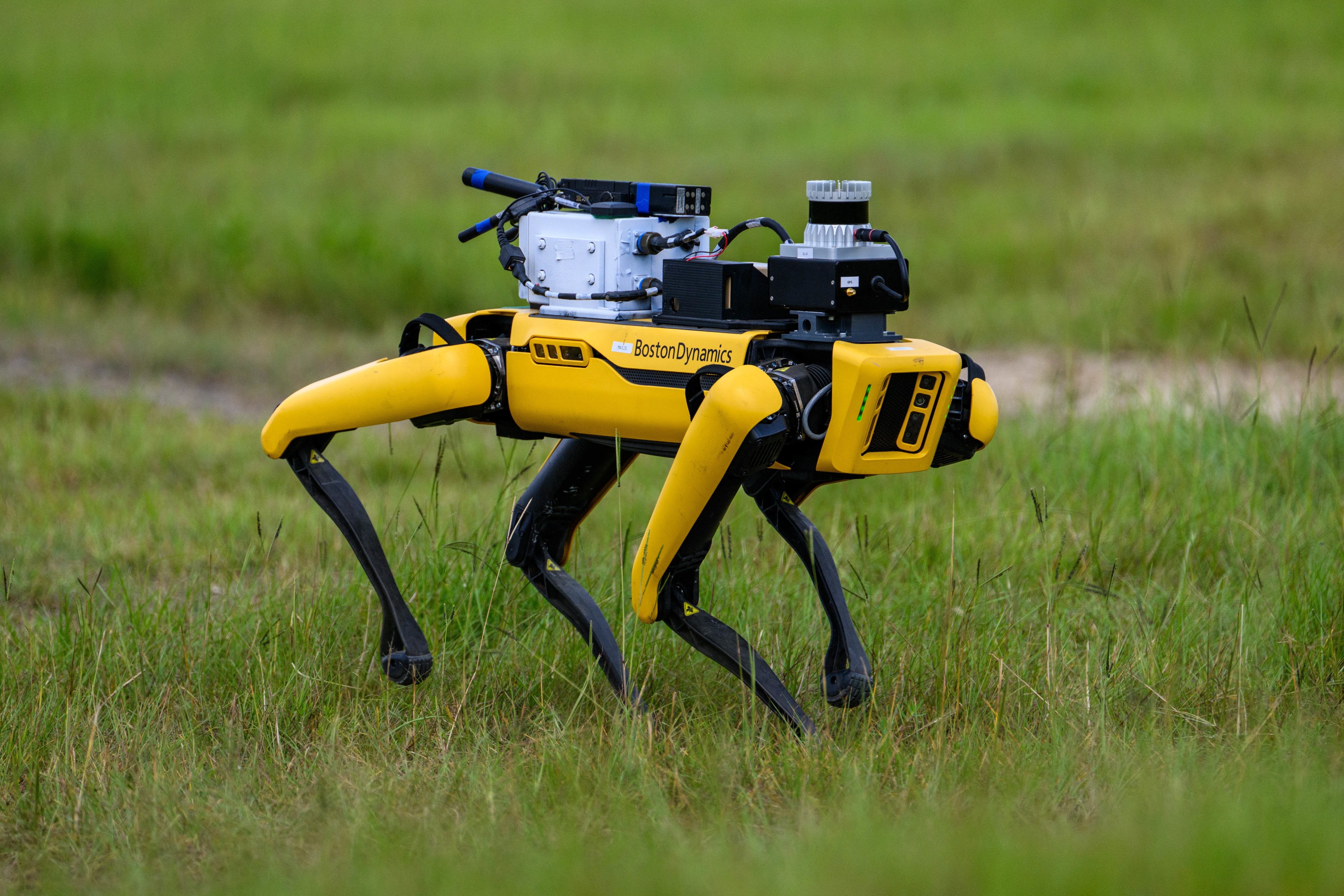
The military has always struggled to ensure equitable access to training and education on marketable tech skills, and the AI Boom is no exception. With the rapid expansion of commercial programs, such as ChatGPT, there is a historical imperative to impart soft skills to service members and transitioning veterans. These skills extend far beyond next-generation weaponry and warfighting; it is a valuable asset to those seeking careers in tech, defense, and public policy. While it's impractical to expect the Department of Defense to provide such education to every service member and MOS, there must be ample resources for those eager to learn. Here are just a few free resources we recommend:
Beginners of all backgrounds: The Elements of AI course dives into fundamental AI and Machine Learning concepts, capabilities, limitations, and their impact on our daily lives. It offers a balance of clear, concise text and visual aids to enhance learning. You'll also have access to a community forum and student support, allowing you to ask questions and engage with a global network of learners. For those who benefit from video-based learning, Dr. Andrew Ng of Deep Learning AI provides one of the most high-quality, informative, and approachable classes available on Coursera.
Gear Spotlight- What Our Readers Are Picking Up




Intermediate or foundational skills: Sign up for Google’s Introduction to Generative AI Learning Path or Vanderbilt University’s Prompt Engineering for ChatGPT. These courses will equip you with essential knowledge and skills for developing large language models. While the classes are great for standalone learning, the time invested would be more valuable for individuals keen on leveraging this technology in their careers. For those interested in national security and defense applications, follow the Center for Strategic & International Studies for live stream and recorded panels on global trends in National Security and Artificial Intelligence and Software-Defined Warfare. Then check out Key Terrain Cyber’s Cyberspace Warfare Reading List, which includes some great titles on the intersection of AI and cybersecurity.
Fellowships for active duty, advanced learners: Key Terrain Cyber also facilitates the Cpl Garrett Jones Research Fellowship, open remotely to E4 to E6 servicemembers, regardless of MOS. There are no education requirements, but fellows must publish research articles with the support of industry and military mentors. All personnel who believe they can contribute to furthering information warfare-related concepts (including AI and Machine Learning applications) should apply to this opportunity. MIT and the Department of the Air Force’s AI Accelerator hosts The Phantom Program, an immersive four-month fellowship open to active duty air and space force professionals. They also offer an open-access course, The Phantom Learning Pathway, tailored to the roles of Airmen and Guardians which can be accessed at the bottom of the program page.