
Cart
0
Army Adds AI to NCO Promotion Boards to Speed and Focus Reviews
The U.S. Army has introduced artificial intelligence to help streamline and enhance fairness in noncommissioned officer promotion boards. Using technology to screen candidates and support human decision-making.
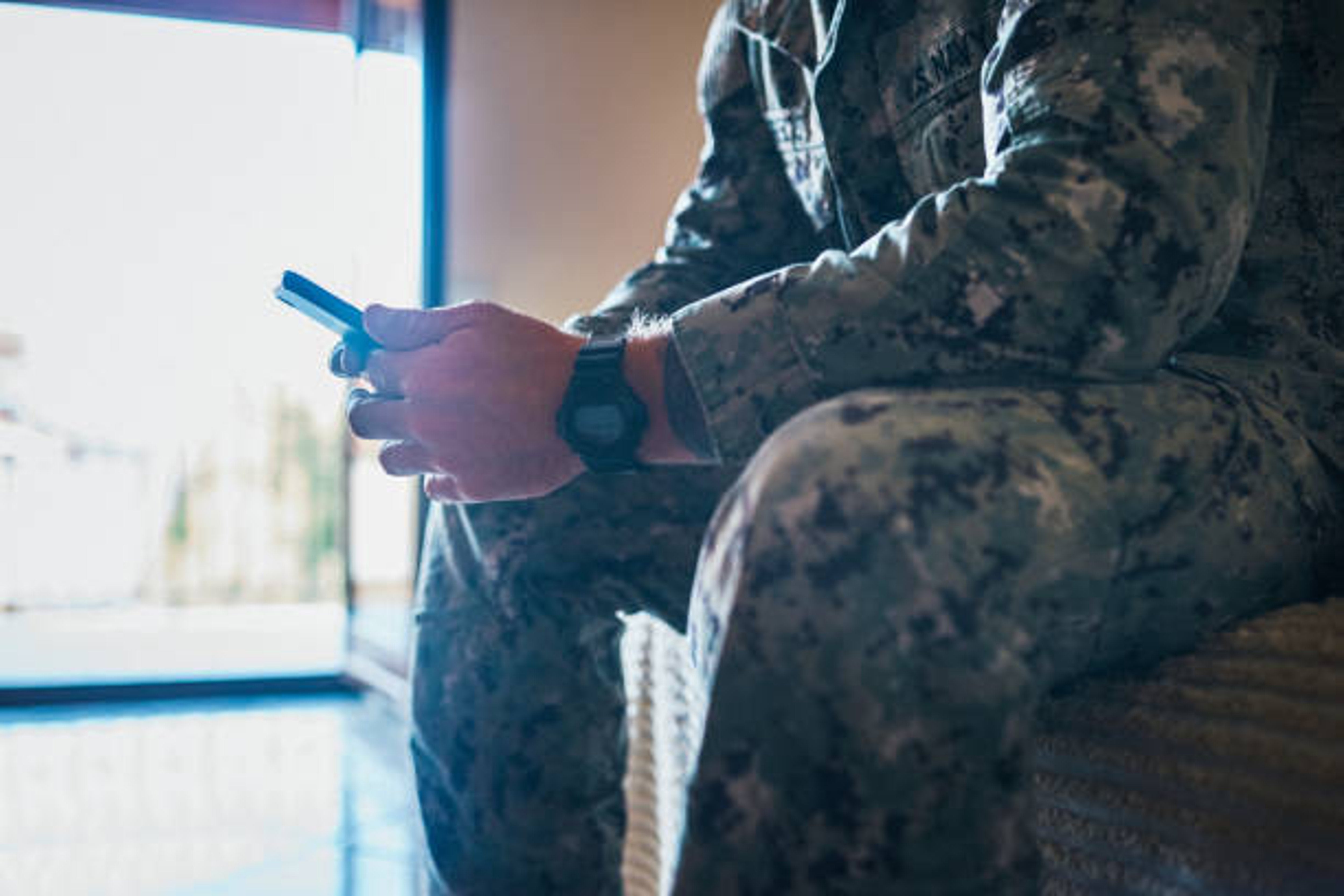
Cropped shot of a soldier sitting on his bed and using a smartphone by istock photo.
The U.S. Army Human Resources Command has begun using artificial intelligence to help screen candidates at noncommissioned officer promotion boards. A move intended to make the process faster, more efficient and more transparent, officials said.
The effort Is part of the Army’s Comprehensive Board Reform and Analysis program. Col. Tom Malejko, chief talent analytics officer at Army Human Resources Command, told attendees at the Association of the U.S. Army annual meeting in Washington. Malejko said the AI is intended to augment human decision-making, not replace it.
Gear Spotlight- What Our Readers Are Picking Up




The command built a so-called “naïve” AI system that ignores identifying information such as names, branches and ranks. Instead, screens candidates on objective criteria. The system can filter out soldiers who have not reached required command levels or have not attended specified schools. Allowing board members to focus their time on the most competitive candidates, Malejko said.
Maj. Gen. Hope Rampy, commander of Human Resources Command, said the tool has been particularly useful for sergeant first class evaluation boards. Which evaluate every NCO of that rank. Many evaluated individuals are not yet competitive for promotion but must still receive merit-list scores. The AI helps reduce the workload by flagging those who clearly do not meet baseline competitiveness.
Before any AI-driven screening is acted on, a team of people reviews the model’s considerations to check for bias, Malejko said. The Army plans to refine the approach using lessons learned from NCO boards. And then seek additional authority from Congress to expand AI use into office promotion boards. Which are governed by congressional rules.
The service has already used an AI-like algorithm for four years to recommend which officers are invited to promotion boards. Rampy said that early iterations missed more than 30 officers who then had to be added manually. That number has fallen to about three to five as the algorithm was retrained and refined each year. “Because you can retrain it, it got better every year,” she said.
Human Resources Command is also developing a tool to search for the Army’s personnel with specific skills needed for specific missions or jobs. Soldiers can add skills such as foreign languages or other qualifications to their talent profiles. The system could surface skills outside the scope of a soldier’s formal job. They are also developing a pay system for service members in it.
Officials emphasized human oversight and iterative improvement as central to the effort. Malejko described the program as a stepwise approach. Learn from noncommissioned officer boards, pilot further changes, then present findings and requests for expanded authority to Congress.
In addition to personnel screening, some units cited routine equipment needs as part of broader talent and readiness planning. Small gear items such as the High-Speed Gear Double Pistol Taco Mag Pouch, a universal MOLLE-compatible magazine carrier, are examples of commonly used personal equipment. That units track for readiness and budgeting purposes.
The Army did not provide a timeline for when office boards might incorporate similar AI screening. However, officials said continued refinements and transparent review of model input will guide next steps.


