
Cart
0
Senate Blocks Pay Bill as Shutdown Hits Federal Workers Hard
On day 23 of the U.S. government shutdown, the Senate voted down a bill that would have guaranteed pay for essential federal workers and troops. The decision leaves thousands working without pay. Deepening financial and national security concerns.
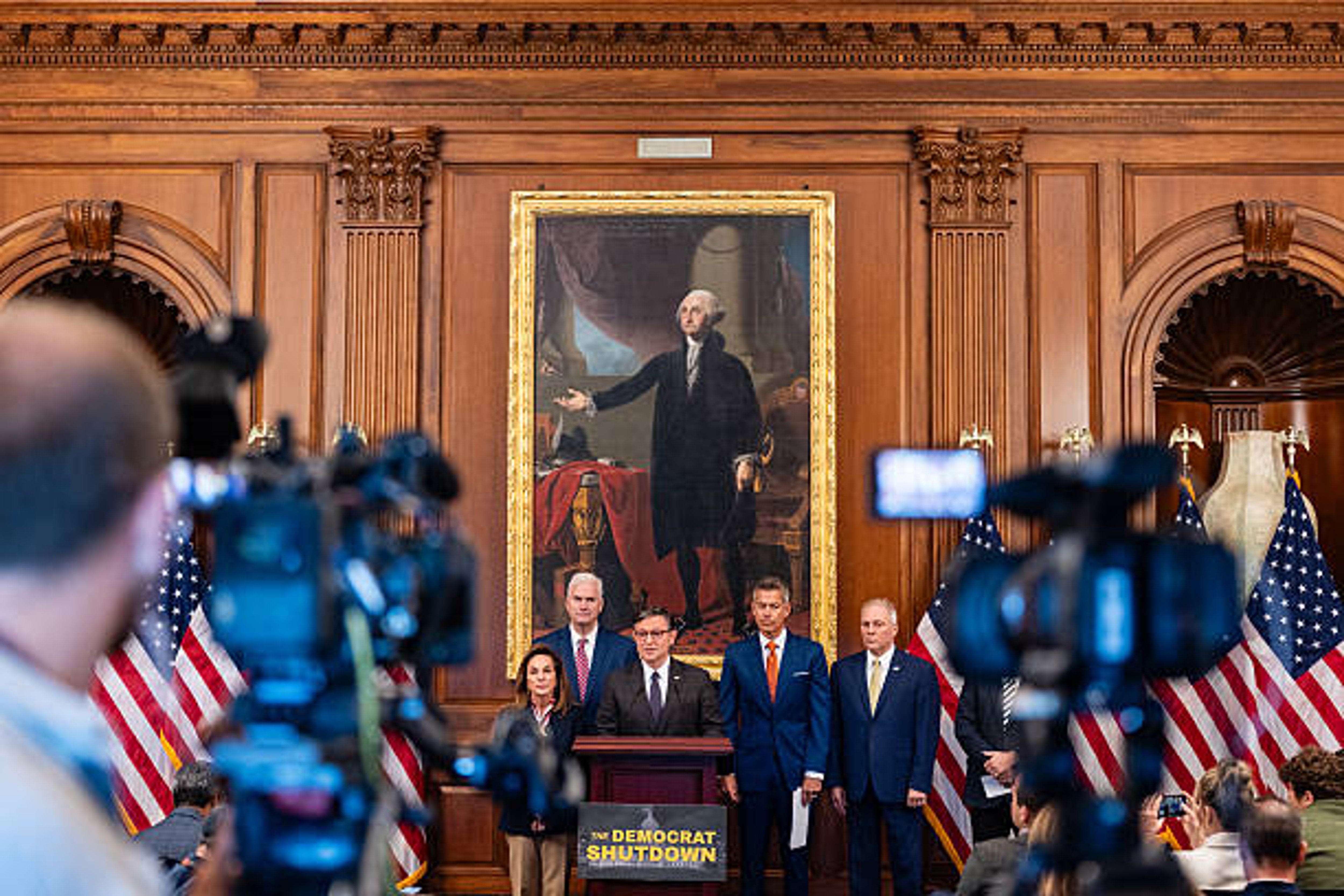
Lawmakers Continue Work On Capitol Hill As Shutdown Drags On by Getty images
The U.S. government shutdown has entered its 23rd day. Moreover, frustration in Washington is growing as the Senate once again rejected a proposal to pay essential federal workers and active-duty troops. The bill, known as the “Shutdown Fairness Act,” was designed to ensure that those keeping the country running like air-traffic controllers, border agents and nuclear technicians receive their pay despite the ongoing funding lapse.
Republican Senator Ron Johnson, who introduced the bill, said the measure was about fairness for those “asked to protect and serve while Congress fails to act.” But Democrats pushed back. Arguing that the proposal gave the White House too much control over worker pay. Also undermined broader negotiations to reopen the government. Only a few Democrats crossed party lines to support it. Leaving thousands of workers in limbo.
Gear Spotlight- What Our Readers Are Picking Up




The impact is now being felt across the country. Many federal employees are stretching their savings. While others are taking second jobs or relying on food banks. For the military and critical agencies, the strain is more than financial, it’s operational. Experts warn that morale and performance could falter if workers continue showing up without pay. Potentially compromising national readiness.
This standoff isn’t just about numbers on a ledger. It’s about people holding the line while politics stalls above them. As Washington digs in for yet another round of blame and bargaining, essential workers remain the silent backbone keeping systems running. Even as their own livelihoods hang in the balance.


