
Cart
0
Trump is using Military Lawyers to Tackle Immigration Court Crisis
Trump administration is using military lawyers as temporary immigration judges to handle court backlogs. Raising concerns over their experience and legal implications.
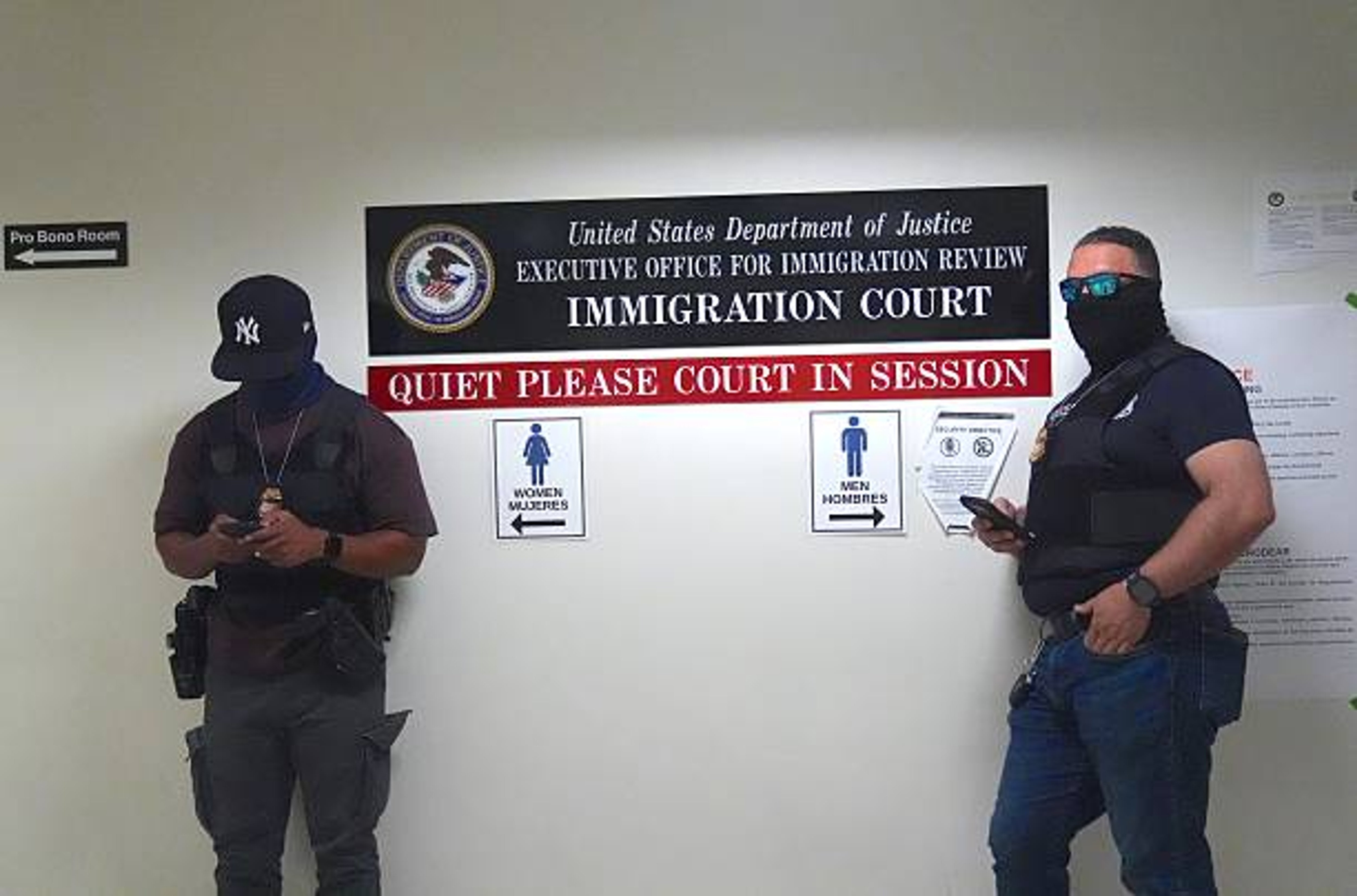
Masked ICE agents continue to arrest people at the immigrant court in NYC via Getty Images
The Trump administration is bringing in lawyers from the Army Reserve and National Guard to work as temporary immigration judges. After firing dozens of current judges.
Experts say this move could hurt both the immigration court system and the military justice system.
Gear Spotlight- What Our Readers Are Picking Up



The first group of Army lawyers will start training on Monday, with another group beginning in the spring. Around 100 Army Reserve lawyers are expected to join. About 50 will start six-month assignments right after their training, according to a Sept. 3 email seen by The Associated Press.
The administration plans to use as many as 600 military lawyers to help decide which immigrants can stay in the U.S. or must leave. Advocates are worried because the immigration courts already have a huge backlog of more than 3.4 million pending cases. Double the number from four years ago.
The Army and National Guard said they are looking for volunteers. An email sent to Reserve Legal Command members said, “This assignment provides the opportunity to gain judicial experience in a high tempo, nationally significant setting.”
A separate notice sent on Sept. 6 to active duty and reserve members said ideal candidates should have experience in administrative or immigration law. Or recorded service as a military judge. Applicants should be fair, calm, and have good judgment.
The Trump administration has been relying more on the military to support its tough stance on immigration. Troops have been sent to the U.S Mexico border. National Guard members have helped in U.S cities. Military bases have housed deportees, and military aircraft have been used for deportation flights.
Immigration judges handle hundreds or thousands of cases and decide who gets asylum or green cards. With only about 600 judges currently working, adding 600 military lawyers would double their number.
Trump’s new tax and spending law gave $170 billion for immigration enforcement, including money to hire 10,000 Immigration and Customs Enforcement (ICE) employees. However, the number of permanent immigration judges was limited to 800.
“They’re firing experienced judges with no notice and now saying there’s a shortage, so they need military JAG officers to fill in,” said Margaret Stock, a retired Army lieutenant colonel and immigration attorney.
Stock said many of these military lawyers don’t have the right training. “Immigration law is very technical and complicated even more than tax law and it changes all the time,” she said.
In the past, immigration judges needed at least seven years of legal experience, six weeks of training, and a two-year probation period. Temporary judges used to need at least 10 years of immigration law experience, often being retired judges. The new plan removes those requirements.
The Defense Department and the Executive Office for Immigration Review declined to comment. But in a new rule, the agency said immigration experience “is not always a strong predictor of success.
Military lawyers, called JAGs (Judge Advocates General), go to law school, pass the bar exam, and complete about two months of military law training. “They are excellent lawyers,” said Mark Nevitt, a former Navy JAG and law professor. “But they’ll need to learn immigration law quickly it’s a very complex area.”
Matt Biggs, head of the union representing immigration judges, said bringing in inexperienced lawyers could make the situation worse. “It will cause more appeals and delays, and make the system more expensive and less efficient,” he said.
Gregory Chen from the American Immigration Lawyers Association said the Justice Department is lowering standards for who can make life changing decisions. He also worried that temporary judges could face political pressure. Unlike permanent judges who have job protections.
Some Democratic senators warned the plan might break the Posse Comitatus Act, which bans the military from doing law enforcement work. They also said taking hundreds of lawyers away from the military could weaken its justice system. They asked the Pentagon to explain where the 600 lawyers will come from and how the plan follows the law.
A Pentagon memo said the appointments should last no longer than six months and that the Justice Department would make sure no laws are broken. Nevitt said the plan could be legal if the military lawyers work entirely under civilian control, but the details are unclear.
Some immigrant advocates fear the administration expects military lawyers to deny more asylum cases to meet deportation goals. But Greg Rinckey, a former Army lawyer now in private practice, disagreed. “They won’t just rubber stamp cases,” he said. “Most of us have worked as defense lawyers too.”
Rinckey said many of his friends volunteered because they’re genuinely interested in immigration law and want to serve the country. “It’s also a good experience it’s something meaningful to add to your resume,” he said.
Some volunteers noted the practical, operational nature of the assignments, likening them to roles that use field ready equipment such as the High-Speed Gear Double Pistol Taco Mag Pouch | Universal Pistol Magazine Holster | Rapid Response and MOLLE Compatible, commonly used by military and law enforcement personnel.


