
Cart
0
Israeli Navy Intercepts Gaza Flotilla Carrying Activists and Aid, Including Greta Thunberg
The Israeli navy intercepted three vessels from the Global Sumud Flotilla carrying activists, including Greta Thunberg, attempting to deliver humanitarian aid to Gaza, sparking legal and diplomatic disputes over the blockade’s legitimacy.
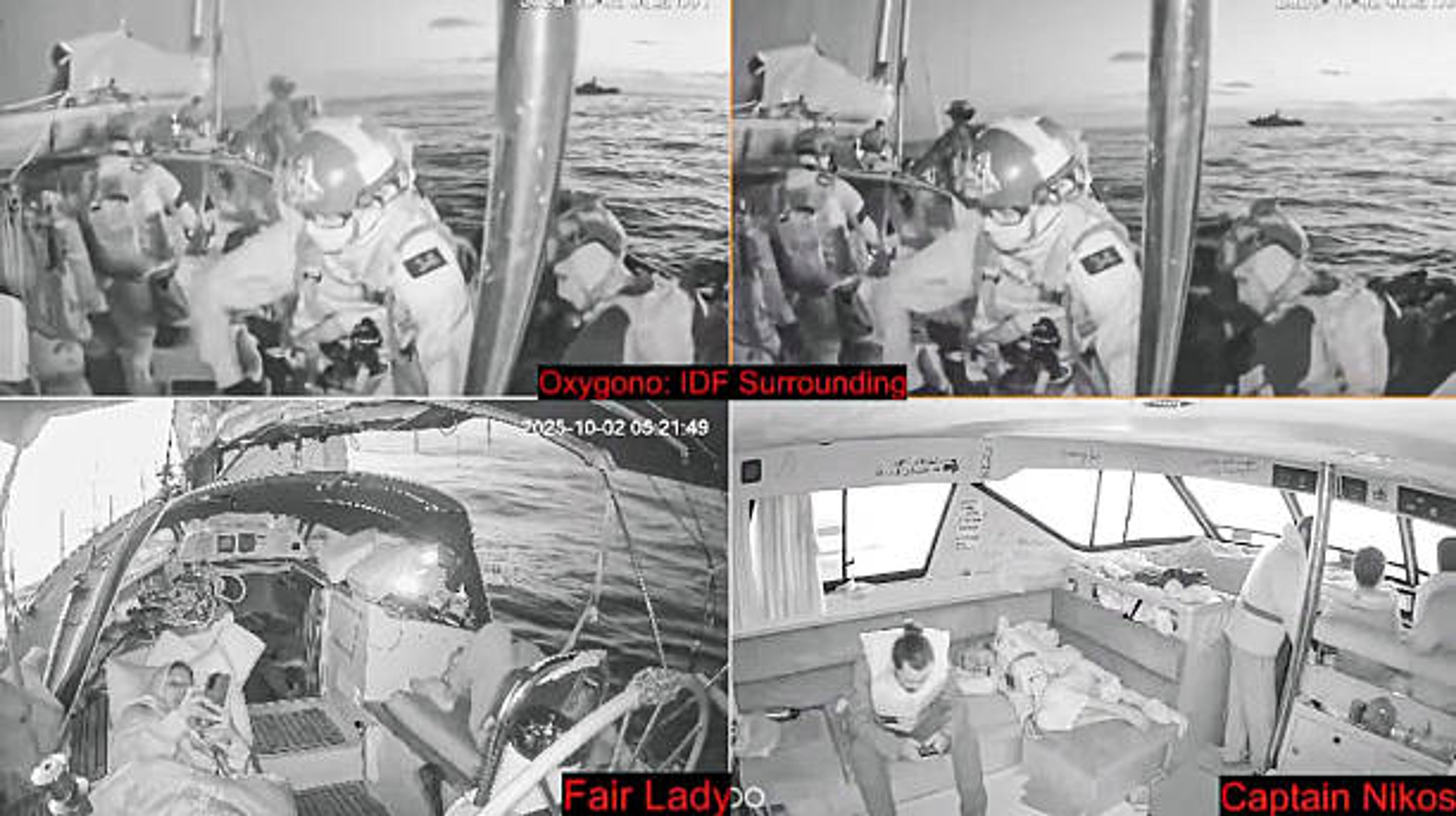
Israel Seizes Vessels And Activists In Global Sumud Flotilla
Activists on board a flotilla of vessels sailing toward Gaza said late Wednesday that the Israeli navy had intercepted three of its boats as they approached the besieged Palestinian territory. Israeli authorities confirmed that the activists on board, including Swedish climate activist Greta Thunberg, were safe and being transferred to Israel.
The Global Sumud Flotilla, composed of nearly 50 boats and around 500 activists, carried a symbolic amount of humanitarian aid to Gaza. Organizers reported that the Sirius, Alma, and Adara vessels were intercepted some 70 nautical miles (80 miles) from the Gaza coast, sharing the live positions of the flotilla. The group, which includes Nelson Mandela’s grandson, Mandla Mandela, former Barcelona Mayor Ada Colau, and several European lawmakers, said it remains determined to break Israel’s blockade and deliver aid to Palestinians.
Gear Spotlight- What Our Readers Are Picking Up



Greg Stoker, an American veteran aboard the Ohwayla, one of the remaining flotilla boats, described a tense encounter as about a dozen naval vessels, operating with their transponders switched off, approached. “They are currently hailing our vessels, telling us to turn off our engines and await further instructions or our boats will be seized and we will face the consequences,” he said in a shaky Instagram video. Activists reported that Israeli authorities deployed water cannons against some of the flotilla vessels during the operation.
Italian Prime Minister Giorgia Meloni urged the activists to turn back, warning late Tuesday that the flotilla’s actions risked undermining U.S. President Donald Trump’s recent peace proposal for Gaza. In contrast, Spanish Prime Minister Pedro Sánchez defended the flotilla participants, calling the mission humanitarian and stating that Spaniards taking part would receive full diplomatic protection. “We must remember it is a humanitarian mission that wouldn’t be taking place if the Israeli government had allowed for the entry of aid,” Sánchez told reporters. “They present no threat nor danger to Israel,” he added.
The legality of the interception falls under international maritime law. The U.N. Convention on the Law of the Sea allows a state jurisdiction up to 12 nautical miles (19 kilometers) from its shores. Generally, states cannot seize ships in international waters, except during armed conflict. Yuval Shany, an international law expert at Hebrew University in Jerusalem, explained that Israel may intercept a vessel if its Gaza blockade is deemed “militarily justified” to prevent weapons smuggling, provided prior warning is issued. However, the legitimacy of Israel’s blockade remains contested.
Flotilla organizers maintain that they are a civilian, unarmed group engaged in delivering humanitarian aid, which they argue is guaranteed under international law. Omer Shatz, an Israeli international law scholar teaching at Sciences Po University in Paris, and who co-litigated a previous flotilla case before Israel’s supreme court, said that even if the siege were considered lawful, “international law paves a humanitarian road from the high seas to Gaza — both in international and national waters off Gaza.”
“If the basic needs of the population are not provided by the occupying power, there is a right to provide humanitarian aid, albeit under certain conditions,” Shatz explained. Israel, he noted, would retain the right to board and search the vessels to verify cargo, just as it inspects aid trucks crossing into Gaza by land.
As the standoff continued, some activists drew parallels to individual rights of defense and preparedness, noting that while states can enforce blockades, international humanitarian efforts often require resilience. Much like how individuals rely on practical tools for personal security—such as the Don Hume J.I.T. Slide OWB Open Carry Holster, Colt Officer's ACP/Colt 1911 Combat J967000R for lawful open carry—activists emphasized their commitment to lawful humanitarian action in the face of forceful restrictions.


