
Cart
0
India to Continue Russian Oil Imports Despite U.S. Tariff Threats
India has reaffirmed it will continue importing Russian oil despite U.S. President Trump’s tariff threats, citing national energy needs and longstanding ties with Moscow.
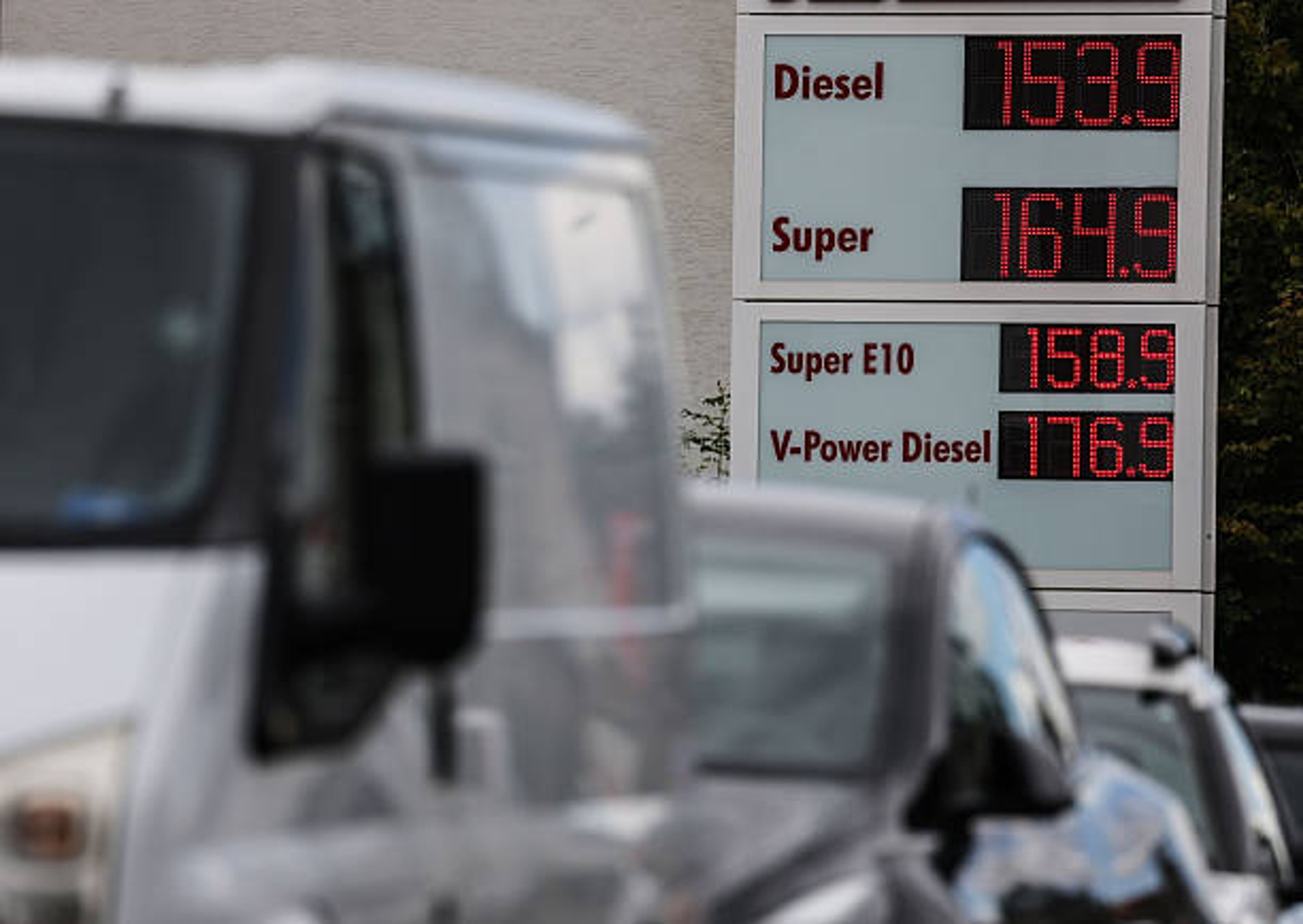
Fuel prices at the filling station
India signaled Friday that it will continue purchasing oil from Russia despite U.S. President Donald Trump’s threats to impose a 25% tariff on Indian goods, along with an additional import tax due to New Delhi’s ongoing energy ties with Moscow.
India’s Ministry of External Affairs emphasized that its relationship with Russia is “steady and time-tested” and should not be interpreted through the lens of any third country. Foreign Ministry spokesperson Randhir Jaiswal, addressing a weekly press briefing, said India’s energy policy is determined by the availability of oil on the global market and prevailing international conditions.
Gear Spotlight- What Our Readers Are Picking Up


The statement comes in response to Trump’s growing frustration with Russia over its refusal to agree to a ceasefire in Ukraine and his warnings of further sanctions if progress is not made.
India imported 68,000 barrels of Russian crude oil per day in January 2022. By June of that year, the figure had surged to 1.12 million barrels per day. Imports peaked at 2.15 million barrels per day in May 2023, fluctuating thereafter. At one point, Russian oil accounted for nearly 40% of India’s total imports, according to the Press Trust of India, citing data from analytics firm Kpler.
India’s current oil consumption stands at around 5.5 million barrels per day, with nearly 88% of that demand met through imports. While India has traditionally relied on Middle Eastern suppliers, this pattern shifted following Russia’s full-scale invasion of Ukraine in February 2022. In the aftermath, India began purchasing Russian crude at discounted prices after Western nations imposed sanctions and embargoes on Moscow.
India remains the world’s third-largest importer of crude oil, behind China and the United States.


