
Cart
0
“Safe gas” to be released in NYC for terror study
Back in August, the Department of Homeland Security (DHS) began “proposing to conduct testing events to improve resiliency of urban areas and transportation systems against chemical or biological terrorist attacks.”
Military members are familiar with the phrase “Gas, Gas, Gas.” However, this might take on a whole new meaning.
Consequently, New York City has labeled the idea the Urban Threat Dispersion project, and it is moving forward.
Gear Spotlight- What Our Readers Are Picking Up



Official Statement from NYC:
“The Urban Threat Dispersion (UTD) project is part of the Department of Homeland Security (DHS) efforts to enhance the resiliency of urban areas and transit systems against chemical and biological agents.
This project is an airflow and dispersion study that will simulate the aerosol release of a biological agent in a densely populated urban environment. This study will be conducted in New York City and involve the release of safe gas and the collection of air samples and materials that settle on the ground and other surfaces afterward.
The results will directly benefit and inform outdoor, subway, and infrastructure modeling used by transit and emergency management officials as part of emergency response actions.
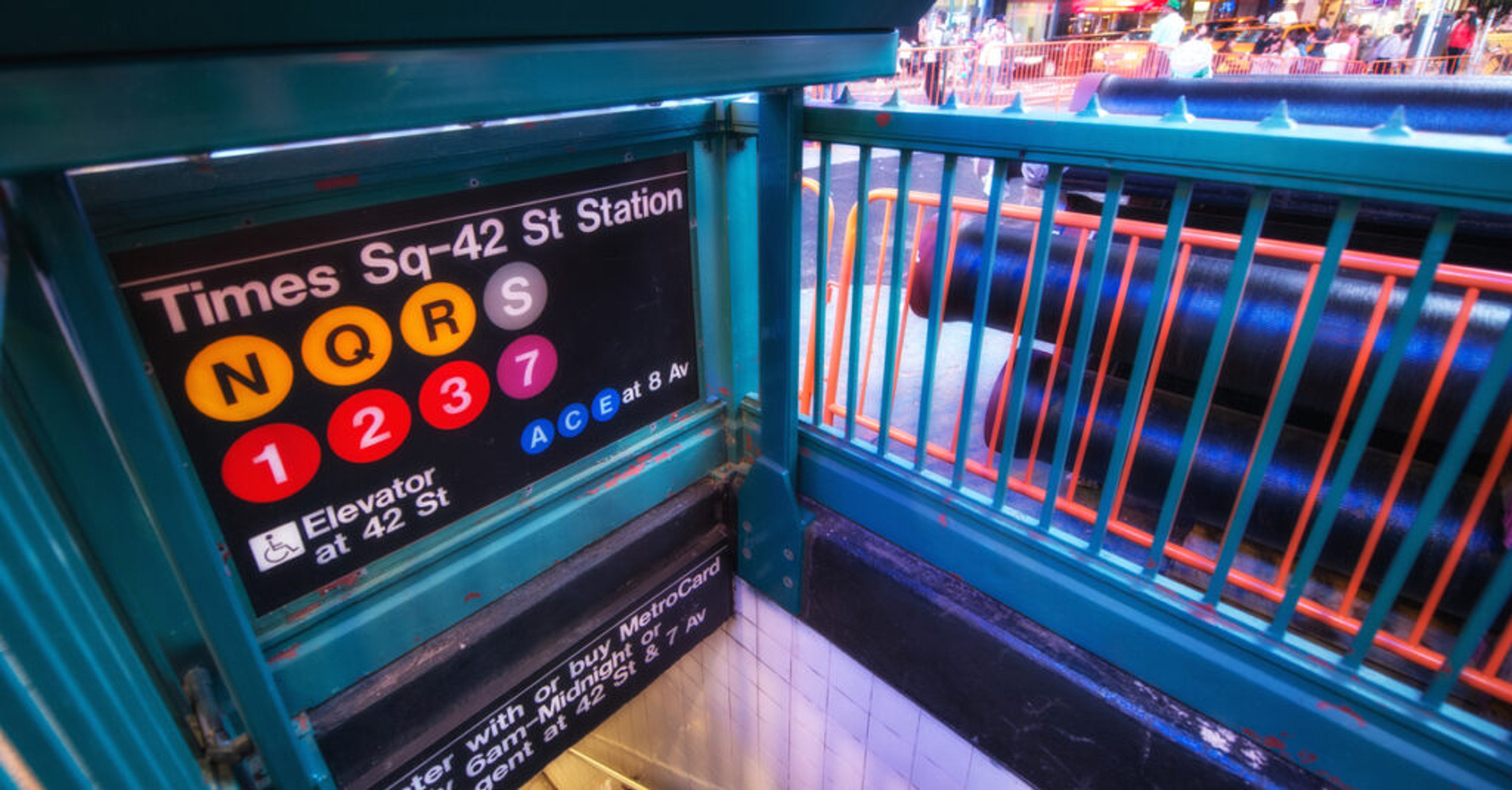
The study will take place from October 18 through October 29, during this time you might see personnel outside and in subways being escorted by New York City Police officers while they perform air flow tests.”
“Safe gas” ingredients
More details are included in a DHS report claiming their will be no significant impact from the study. Among the aspects of the report are the proposed ingredients of the gas, which you can read by clicking here. They include:
(1) Salt, this is the same as common table salt.
(2) Glycerol, an ingredient that is added to many foods including processed fruits and frostings and is used in many personal care products, such as soap.
(3) Maltodextrin, a common additive used in food and drink products such as beer, protein shakes, and sweeteners such as Splenda.
(4) A fluorescent brightener that is non-hazardous and found in toothpastes and laundry detergents to make whites appear brighter.
(5) Non-coding DNA oligos that do not have any function or biological activity. DNA is ubiquitous in byproducts like skin and hair from all organisms, and is also present in food items like fruits, vegetables, and meats.
(6) Amorphous silica, a common food additive in spices and creamers to ensure free flow of powdered products and absorption of moisture.
(7) Fluorescent dye and/or proteins, which are non-toxic and allow for particle detection.
(8) Alginate-based hydrogel. Alginate is commonly used as a thickening agent in the food industry.
(9) A fluorescent powder commonly used in leak testing.
The proposed gas tracers include sulfur hexafluoride as well as perfluorocarbon tracer. The report claims sulfur hexafluoride “is a safe gas commonly used in leak testing and already present in urban backgrounds due to its use in the electric power industry.”
However, the state of New Jersey states, there are several risks to sulfur hexafluoride exposure. These health hazards include eye, liver and kidney damage. Furthermore, they state repeated exposure can lead to mottling of the teeth.
It is unclear to what exact concentration DHS may use sulfur hexafluoride, or if it could potentially become a danger to those exposed.


